6 Best Hiking Trails Around Lake Atitlan, Guatemala (2026 Guide)
Why Lake Atitlan Is a Hiker’s Paradise
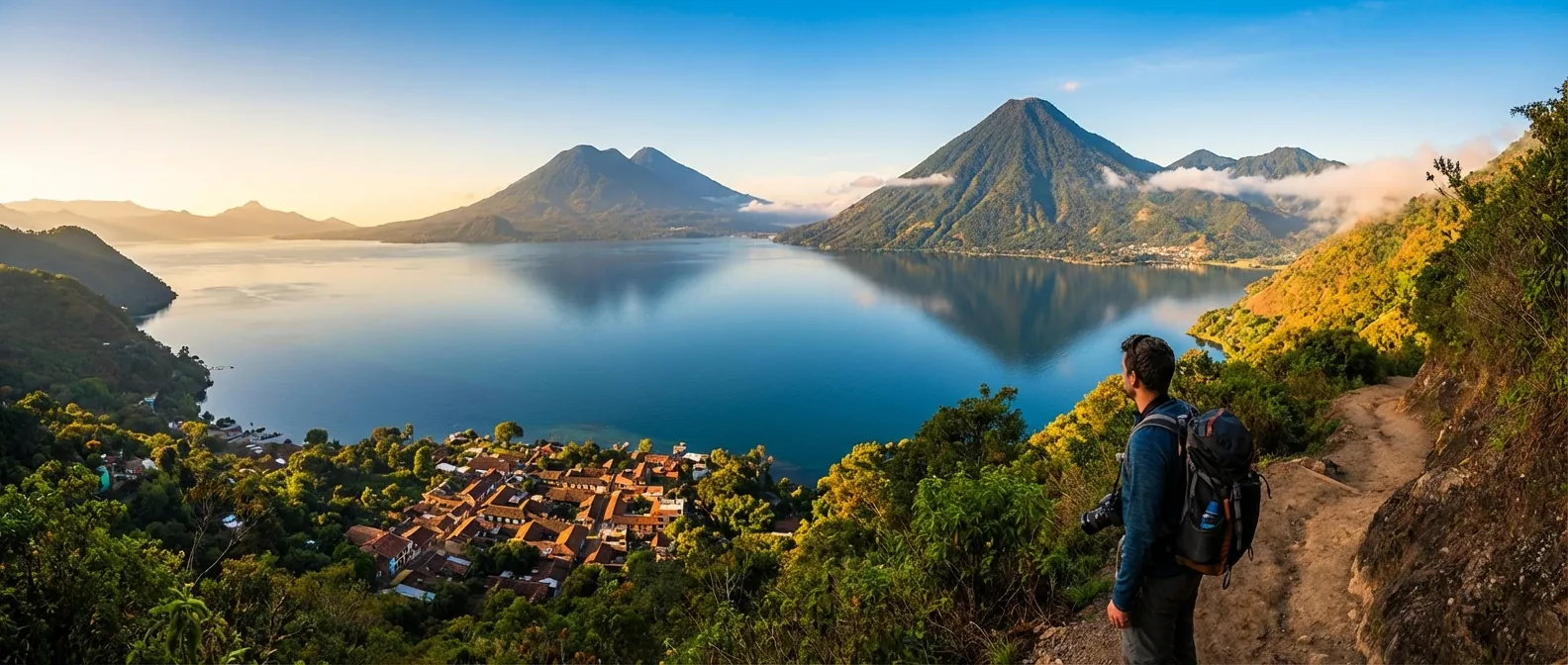
Nestled between three towering volcanoes in the Guatemalan Highlands, Lake Atitlan offers some of the most breathtaking hiking trails in Central America. Whether you’re a seasoned trekker or a casual walker looking for stunning views, the trails around this ancient volcanic lake deliver unforgettable experiences at every turn.
At Sababa Resort, we’ve spent years exploring every path, ridge, and hidden viewpoint around the lake. Here’s our definitive guide to the best hiking trails around Lake Atitlan.
1. Indian Nose (Nariz del Indio) — The Iconic Sunrise Hike
No visit to Lake Atitlan is complete without the Indian Nose sunrise hike. This moderate trail takes about 45 minutes to reach the summit from the village of Santa Clara La Laguna, rewarding you with a jaw-dropping panoramic view of the entire lake and all three volcanoes — San Pedro, Tolimán, and Atitlán — bathed in golden morning light.
Difficulty: Moderate
Duration: 1.5–2 hours round trip
Best time: Start at 4:30 AM to catch sunrise
Tip: Hire a local guide from Santa Clara or San José Chacayá for around Q50–Q75. The trail can be tricky in the dark.
2. San Pedro Volcano — The Classic Summit
Standing at 3,020 meters (9,908 feet), Volcán San Pedro is the most popular volcano hike at the lake. The trail starts from the entrance in San Pedro La Laguna and climbs steeply through cloud forest filled with orchids, bromeliads, and the occasional quetzal sighting.
Difficulty: Challenging
Duration: 4–6 hours round trip
Cost: Q100 entrance fee + mandatory guide
What to bring: At least 2 liters of water, layers (it gets cold at the top), and snacks. The summit views on a clear day are absolutely worth the effort.
3. The Lake Trail: San Marcos to Tzununa
This lesser-known trail hugs the northern shore of the lake, winding through coffee farms, small Mayan villages, and lush tropical vegetation. It’s one of the most peaceful hikes in the area and gives you an authentic glimpse of local life around the lake.
Difficulty: Easy to moderate
Duration: 1.5–2 hours one way
Highlights: Swimming spots along the way, local coffee plantations, and incredible photo opportunities of the lake from elevated cliff paths.
Tip: Continue past Tzununa to Jaibalito for a longer adventure, then catch a lancha (water taxi) back.
4. Rostro Maya — The Hidden Gem
Rostro Maya (Mayan Face) is a rock formation on the cliffs between San Juan and San Pablo La Laguna that resembles a Mayan profile when viewed from the right angle. The hike to the viewpoint offers stunning lake views and is far less crowded than the more popular trails.
Difficulty: Easy to moderate
Duration: 2–3 hours round trip from San Juan
Best for: Photography enthusiasts and anyone wanting to escape the tourist crowds.
5. Volcán Atitlán — For Serious Adventurers
At 3,537 meters (11,604 feet), Volcán Atitlán is the tallest and most demanding of the three lake volcanoes. This is a full-day expedition that takes you through dense forest, past fumaroles, and up to a summit that feels like standing on top of the world.
Difficulty: Very challenging
Duration: 8–10 hours round trip
Starting point: Santiago Atitlán or San Lucas Tolimán
Requirements: Good physical fitness, a guide (mandatory), and early departure (4 AM recommended). Some hikers camp overnight near the summit.
6. Cerro Tzankujil Nature Reserve
Perfect for families or travelers wanting a shorter hike with a rewarding payoff. This small nature reserve in San Marcos La Laguna features well-maintained trails through the forest, Mayan ceremonial sites, cliff jumping platforms, and a beautiful swimming area on the lake.
Difficulty: Easy
Duration: 1–2 hours
Cost: Q20 entrance fee
Perfect for: A half-day activity combining hiking, swimming, and cultural sites.
Essential Hiking Tips for Lake Atitlan
When to Go
The dry season (November to April) offers the best hiking conditions with clear skies and less mud. Mornings are almost always clearer than afternoons — clouds typically roll in after noon.
Safety
Always hike with a local guide on volcano trails. Beyond navigation help, guides support the local economy and significantly improve safety. Most villages have guide associations with fixed, fair prices.
What to Pack
- Sturdy hiking shoes with good grip
- Rain jacket (weather changes fast)
- Sunscreen and hat
- Minimum 2 liters of water
- Cash in small bills for guides, entrance fees, and lanchas
- Camera — you’ll regret not having one
Getting Around
Lanchas (small motorboats) are the primary transport between lakeside villages. They run regularly from Panajachel and cost Q25–Q35 per ride. Tuk-tuks handle transport within villages.
Combine Hiking With a Stay at Sababa Resort
After a long day on the trails, there’s nothing better than returning to a comfortable room, a cold drink, and a lakeside hammock. Sababa Resort offers the perfect base for exploring Lake Atitlan’s hiking trails, with easy access to boat transport and local guides. We also have a beach property in El Paredon if you want to add surfing and turtle watching to your Guatemala adventure.
Frequently Asked Questions
Is it safe to hike around Lake Atitlan?
Yes, hiking around Lake Atitlan is generally safe, especially when you hire a local guide. Stick to established trails, hike during daylight, and let someone know your plans. The local communities are welcoming and accustomed to tourists.
Do I need a guide for hiking at Lake Atitlan?
Guides are mandatory for volcano hikes (San Pedro and Atitlán) and strongly recommended for Indian Nose, especially for the pre-dawn start. Lakeside trails like San Marcos to Tzununa can be done independently.
How fit do I need to be?
Lake Atitlan has trails for every fitness level. Cerro Tzankujil and the lakeside trails are easy walks suitable for anyone. Volcano hikes require moderate to excellent fitness. Keep in mind the altitude — the lake sits at 1,562 meters (5,125 feet), and summits reach over 3,000 meters.
What is the best time of year for hiking at Lake Atitlan?
November through April (dry season) offers the best conditions. February and March typically have the clearest skies. The rainy season (May–October) brings afternoon showers and muddier trails, but mornings can still be beautiful.
Can I hike Lake Atitlan on a budget?
Absolutely. Guide fees range from Q50–Q200 depending on the trail, entrance fees are Q20–Q100, and lanchas cost Q25–Q35. You can easily spend a full day hiking for under $20 USD.