
Best Things to Do in San Pedro La Laguna: Your Complete Guatemala Travel Guide
Perched on the edge of the world’s most beautiful lake, San Pedro La Laguna is a destination that captures your heart the moment you step off the boat. Nestled at 1,610 meters above sea level in the Western Highlands of Guatemala, this vibrant village is framed by three towering volcanoes: San Pedro, Tolimán, and Atitlán. Here, the air is filled with the scent of roasting coffee and the rhythmic sounds of the Tz’utujil Maya language. Known for its “eternal spring” climate—where temperatures comfortably hover between 15-25°C (59-77°F) year-round—San Pedro offers a unique blend of indigenous culture, backpacker energy, and breathtaking natural beauty. Whether you are seeking high-altitude adventure or a tranquil lakeside retreat, this guide will show you why San Pedro is the crown jewel of Lake Atitlán.
1. Making a Splash: Water Activities on Lake Atitlán
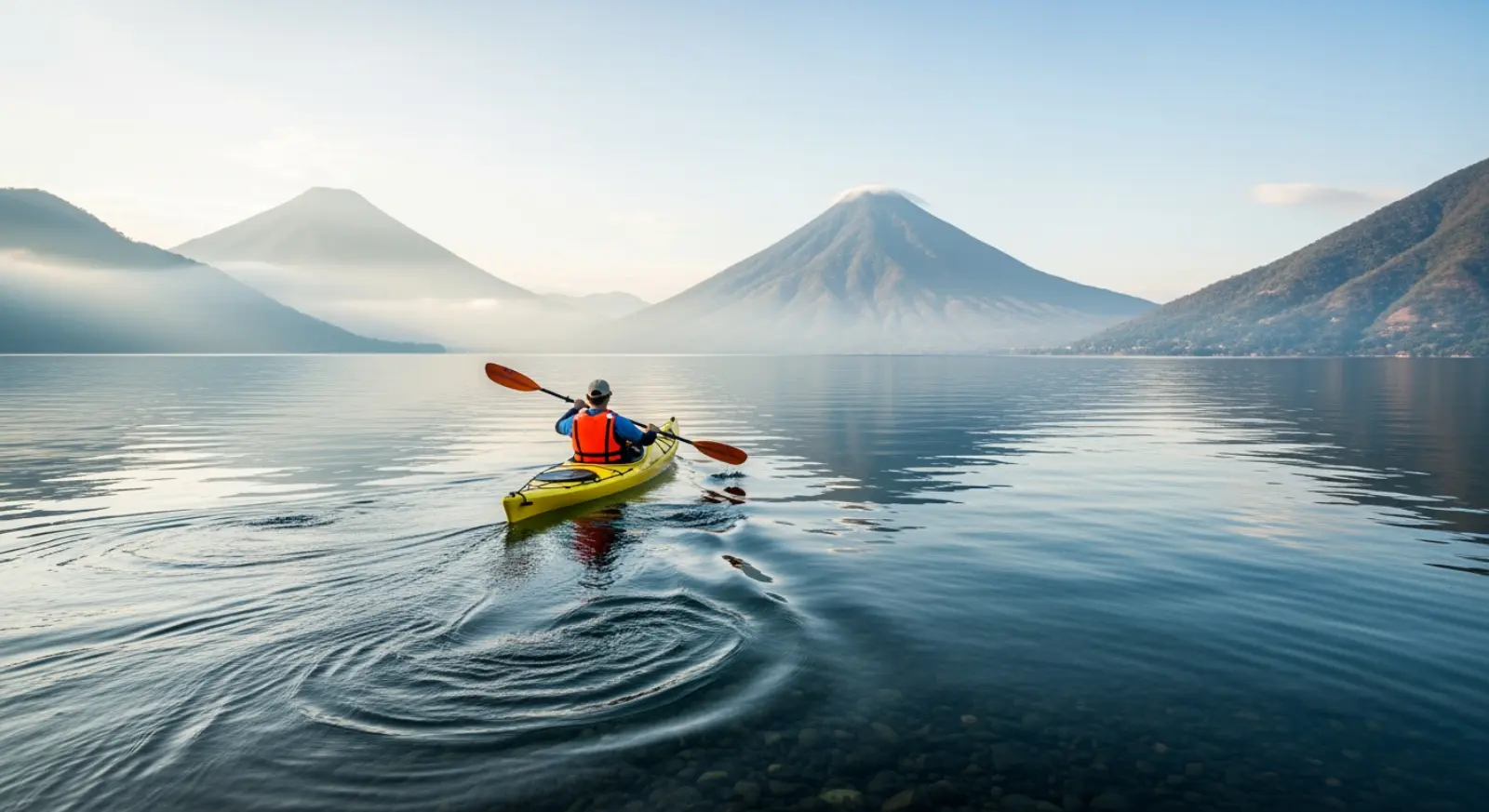
Life in San Pedro revolves around the water. The shimmering blue expanse of Lake Atitlán isn’t just a backdrop; it’s your playground. To truly experience the magic of the lake, you need to leave the shore behind. The best time for water activities is early in the morning, before the Xocomil—the famous afternoon wind—begins to stir the surface into choppy waves.
Kayaking and Paddleboarding: Renting a kayak or a Stand-Up Paddleboard (SUP) is perhaps the most peaceful way to start your day. As you glide across the glass-like water, you’ll see local fishermen in their traditional cayucos (wooden canoes) pulling in their morning catch. Paddle toward the neighboring village of San Juan La Laguna to discover “Playa de los Cristales,” a small beach where the “sand” is actually made of smoothed, colorful sea glass. Many travelers prefer launching from Sababa Resort, where the lakefront access is easy and the views of the surrounding peaks are unparalleled.
Swimming and Cliff Jumping: While San Pedro has several docks where you can take a quick dip, the water is clearest if you take a short boat ride or walk toward the “Las Cristalinas” beach. If you are feeling adventurous, head over to the nearby Cerro Tzankujil Nature Reserve in San Marcos (just a 10-minute boat ride away). Here, you can jump from a 7-meter high wooden platform into the deep, refreshing waters of the lake. After your swim, you can retreat back to the pool at Sababa Resort to enjoy a cocktail and soak in the sun in a more relaxed environment.
- Pro Tip: Always keep an eye on the time. The lake can get quite rough after 3:00 PM, making it much harder to paddle back to shore!
- Equipment: Most hostels and lakefront spots like Sababa offer hourly rentals for very reasonable prices.
2. Peaks and Heritage: Hiking and Cultural Immersion
San Pedro La Laguna is more than just a pretty view; it is a gateway to the clouds and a deep dive into Maya heritage. The village is home to the Tz’utujil Maya people, who have preserved their traditions, clothing, and language for centuries. Balancing your time between physical challenges and cultural learning is the key to a fulfilling trip.
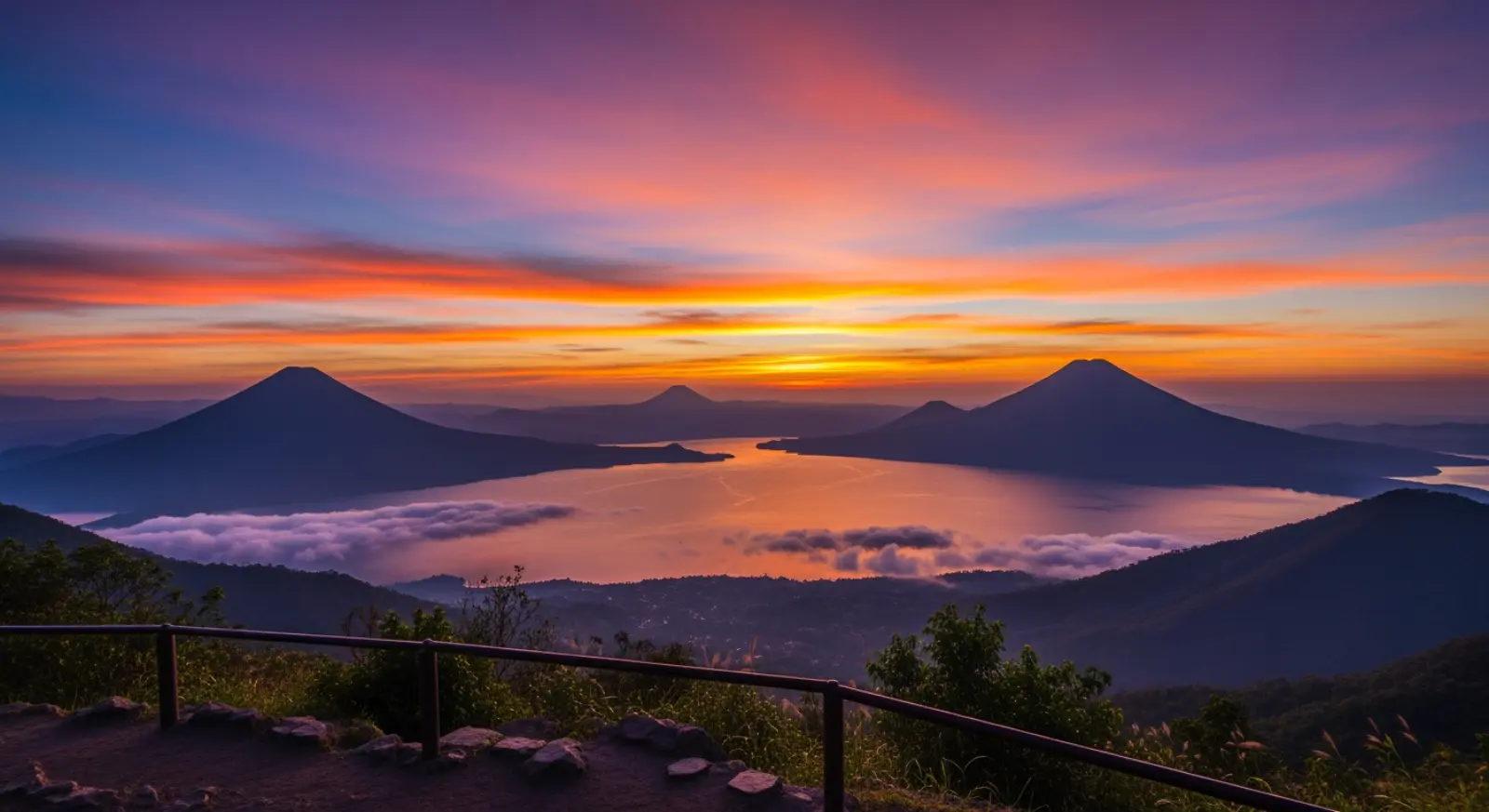
Hiking the “Indian Nose” (La Nariz del Indio): If you do only one hike in Guatemala, let it be this one. Named for its profile that resembles a sleeping face, this mountain offers the most iconic sunrise view in the country. You’ll wake up at 4:00 AM, take a short truck ride to the trailhead, and hike for about 30-45 minutes to the summit. As the sun rises between the volcanoes, the sky turns shades of purple and orange, reflecting off the entire lake below. It is a spiritual experience that words rarely do justice.
The San Pedro Volcano Hike: For those seeking a more grueling challenge, the hike to the top of Volcán San Pedro is a must. It is a steep, 4-to-5-hour ascent through cloud forests and coffee plantations. At the summit, you’ll be standing at over 3,000 meters, looking down at the clouds. It is highly recommended to hire a local guide for safety and to learn about the local flora and fauna along the way.
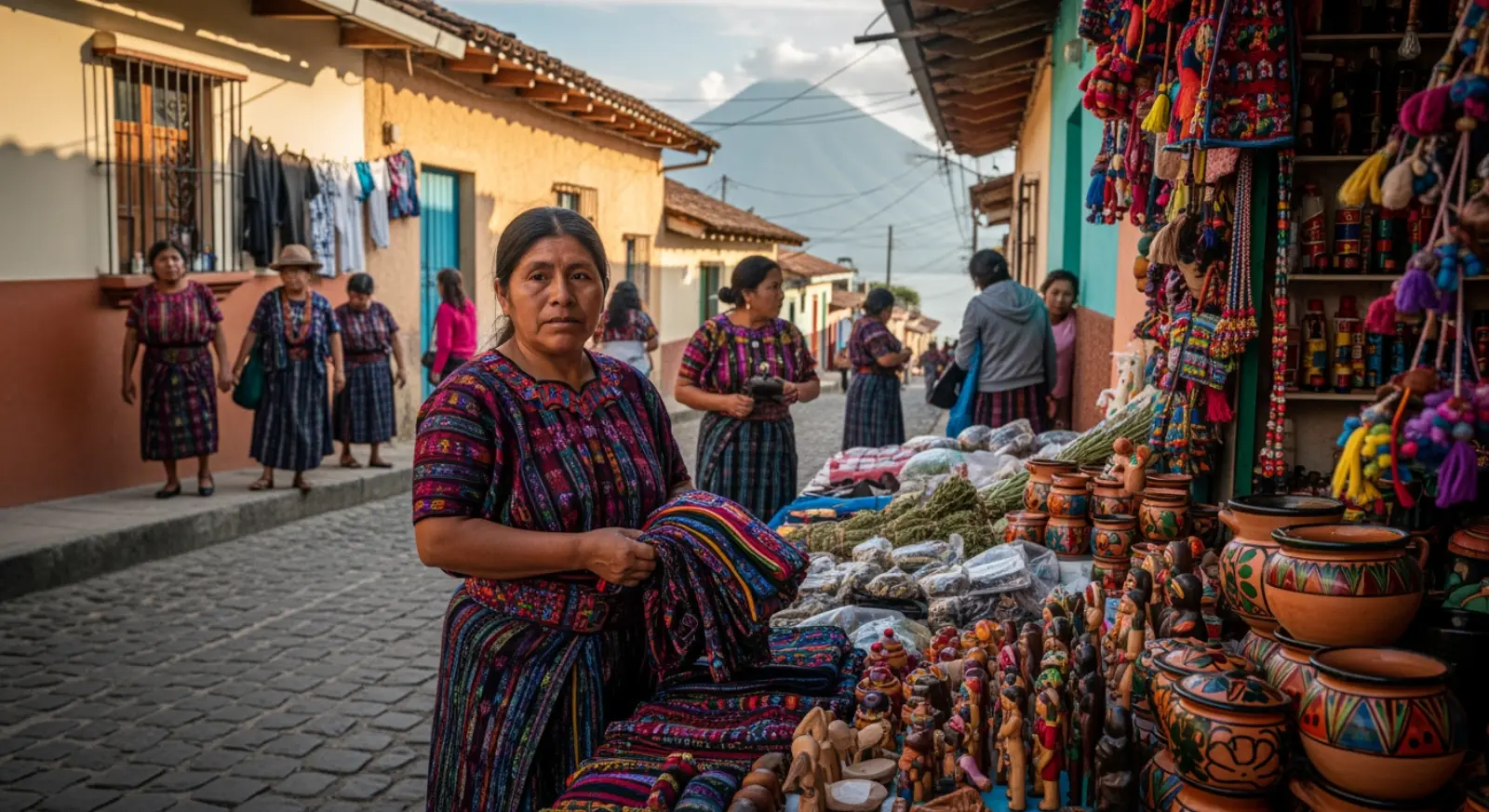
Immersing in Tz’utujil Culture: Down in the village, the streets are a maze of colorful murals and bustling markets. Visit the local market near the church to see women in their intricate, hand-woven huipiles (traditional blouses). San Pedro is also world-renowned for its Spanish Schools. Many travelers stay for a week or more, taking one-on-one lessons on terraces overlooking the lake. Additionally, you can participate in weaving workshops or coffee tours to see how the region’s famous beans go from the bush to your morning cup.
- Market Days: While the market is open daily, Sundays and Thursdays are the most vibrant.
- Guide Services: Always book your volcano hikes through a reputable agency or your accommodation to ensure you have a certified guide.
3. Practical Tips for Your San Pedro Adventure
Planning a trip to the Western Highlands requires a bit of foresight. While San Pedro is a laid-back destination, knowing the logistics will help you navigate the “eternal spring” like a pro.
Best Time to Visit: The dry season runs from November to April. During these months, you’ll enjoy clear blue skies and the best visibility for hiking. While the rainy season (May to October) brings lush green landscapes, the clouds often roll in by the afternoon, which can obscure those famous volcano views.
Getting Around: There are no cars in the narrow streets of San Pedro. Instead, you’ll rely on Tuk-Tuks. These three-wheeled taxis are everywhere and usually cost between 5 to 10 Quetzales per person for a trip within the village. To travel between different villages on the lake (like Panajachel, San Marcos, or Santiago), use the Lanchas (public boat taxis). They run frequently from the main docks and offer a scenic commute.
What to Pack: Because of the altitude, the sun is very strong during the day, but temperatures drop significantly once the sun goes down. Layers are essential. Pack a light jacket for the evenings and sturdy hiking boots if you plan on tackling the volcanoes. Don’t forget eco-friendly sunscreen to protect both your skin and the lake’s ecosystem.
Safety and Currency: San Pedro is generally safe for travelers, but it is always wise to avoid walking on dark trails alone at night. The local currency is the Guatemalan Quetzal (GTQ). While there are a few ATMs in town, they can sometimes run out of cash or reject international cards, so it is a good idea to bring some backup cash from Guatemala City or Antigua.
San Pedro La Laguna is a place that invites you to slow down. Whether you’re sipping a coffee at a lakeside café, learning the ancient art of backstrap weaving, or watching the sunrise from the top of a volcano, the energy of this Maya village is unmistakable. It’s a destination where adventure and tranquility live side-by-side, offering something for every type of traveler.
Ready to start your Lake Atitlán adventure? Book your stay at Sababa Resort to enjoy the best lakefront views, comfortable accommodation, and easy access to all the activities San Pedro has to offer. We can’t wait to welcome you to paradise!