
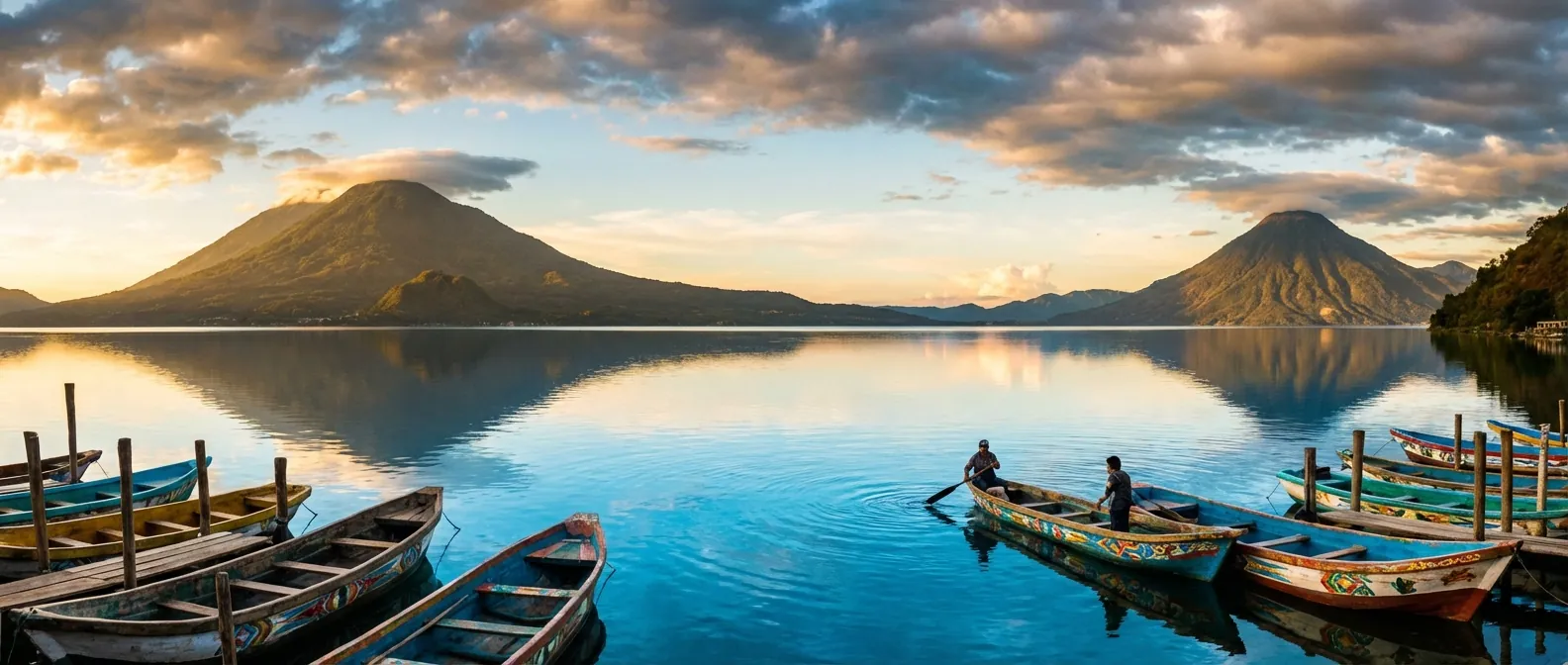
Best Time to Visit Lake Atitlan: Your Complete Seasonal Guide for Guatemala's Crown Jewel
Nestled in the highlands of Guatemala, Lake Atitlan stands as one of Central America’s most breathtaking destinations. Surrounded by towering volcanoes and vibrant Maya villages, this stunning crater lake offers a perfect blend of natural beauty, cultural immersion, and adventure activities. Whether you’re planning a yoga retreat, seeking surfing adventures at nearby El Paredon, or simply wanting to soak in Guatemala’s rich heritage, timing your visit correctly can make all the difference.
Understanding Lake Atitlan’s Climate
Lake Atitlan enjoys a subtropical highland climate with two distinct seasons: dry season (November to April) and rainy season (May to October). Located at 5,125 feet above sea level, the lake maintains pleasant temperatures year-round, making it an attractive destination regardless of when you visit.
Temperature Patterns
- Average high: 75-80°F (24-27°C)
- Average low: 50-60°F (10-15°C)
- Water temperature: 65-70°F (18-21°C) year-round
Dry Season: Peak Travel Period (November – April)
Weather Conditions
The dry season brings clear skies, minimal rainfall, and excellent visibility of the surrounding volcanoes. Morning mists often lift to reveal spectacular panoramic views, making this period ideal for photography enthusiasts and outdoor activities.
Advantages of Dry Season Travel
- Perfect hiking conditions: Trails around San Pedro, Tolimán, and Atitlán volcanoes are dry and accessible
- Ideal for water sports: Kayaking, paddleboarding, and swimming are most enjoyable
- Festival season: Experience vibrant Maya celebrations and Christmas traditions
- Best weather for day trips: Easy access to Chichicastenango market and Antigua Guatemala
Considerations
- Higher prices: Accommodation and tour costs peak during this period
- Crowded destinations: Popular viewpoints and restaurants fill up quickly
- Advance booking essential: Reserve accommodations and activities well ahead
Rainy Season: Hidden Gem Period (May – October)
Weather Patterns
Contrary to popular belief, the rainy season doesn’t mean constant downpours. Rainfall typically occurs in late afternoon or evening, leaving mornings and early afternoons perfect for exploration.
Benefits of Rainy Season Travel
- Lush landscapes: Vegetation is at its greenest and most vibrant
- Lower prices: Accommodation rates drop by 20-40%
- Fewer crowds: More authentic interactions with locals
- Spectacular sunsets: Cloud formations create dramatic sky displays
Rainfall Breakdown by Month
- May-June: Light, refreshing showers
- July: Brief dry period called “canícula”
- August-October: Heaviest rainfall, usually 2-3 hours daily
Monthly Breakdown: When to Visit
December – February: Peak Dry Season
Best for: First-time visitors, photography, volcano hiking, turtle watching season at El Paredon
The coolest and driest months offer crystalline lake views and perfect conditions for outdoor adventures. This period coincides with sea turtle nesting season at nearby El Paredon beach, making it an excellent time to combine lake and coast experiences.
March – April: Optimal Weather
Best for: All activities, wedding photography, wellness retreats
These months provide the perfect balance of dry weather and manageable crowds. Temperatures are warm but comfortable, and the landscape maintains its dry season clarity while avoiding peak holiday rushes.
May – June: Shoulder Season
Best for: Budget travelers, cultural immersion, local festivals
Early rainy season brings moderate rainfall and significantly lower prices. The landscape transforms into a lush paradise, and you’ll have more opportunities for genuine cultural exchanges with local Maya communities.
July: Mini Dry Season
Best for: Adventure seekers, backpackers, cooking classes
July’s brief dry period, known locally as “canícula,” offers excellent weather at rainy season prices. This month is perfect for exploring traditional cooking classes in Santiago Atitlán or San Juan La Laguna.
August – October: Green Season
Best for: Nature lovers, spiritual retreats, volunteering
The wettest months create spectacular scenery but require flexibility in planning. Morning activities are usually rain-free, making this period ideal for yoga retreats, meditation workshops, and volunteer programs in local communities.
Special Considerations for Activities
Volcano Hiking
Best months: December – April
Dry trails and clear summit views make these months optimal for conquering San Pedro Volcano (3,020m) or the challenging Atitlán Volcano (3,535m).
Water Activities
Best months: March – June, November
Lake conditions are calmest, and water temperatures are most comfortable for swimming, kayaking, and paddleboarding.
Cultural Experiences
Best months: May – October
Rainy season coincides with many traditional Maya festivals and ceremonies. Smaller crowds mean more intimate cultural experiences and better opportunities to participate in community activities.
Photography
Best months: December – February, July
Clearest atmospheric conditions and dramatic lighting create optimal photography opportunities, especially for landscape and volcano shots.
Combining Lake Atitlan with El Paredon
Many visitors combine Lake Atitlan with Guatemala’s emerging surf destination, El Paredon. The black sand beach offers consistent waves year-round, but the best surf conditions align with different periods than ideal lake weather:
- Surf season peak: April – September
- Turtle season: June – February
- Best combined trip: March – June for balanced experiences
Planning Your Perfect Visit
3-5 Days: Lake Focus
Perfect for relaxation, short hikes, and cultural exploration around Panajachel, San Pedro, and Santiago Atitlán.
1 Week: Complete Experience
Ideal duration for volcano hiking, cultural immersion, day trips to Chichicastenango, and either Antigua or El Paredon coast extension.
2+ Weeks: Deep Dive
Time for volunteer work, intensive Spanish study, advanced hiking, and comprehensive exploration of Maya communities around the lake.
Accommodation Booking Tips
Dry Season Strategy
- Book 3-6 months in advance for December-March
- Consider staying in less popular villages like San Marcos or Santa Cruz
- Look for package deals combining accommodation with activities
Rainy Season Strategy
- Book 2-4 weeks ahead for best selection
- Choose accommodations with covered common areas
- Verify road access during heavy rainfall periods
FAQ Section
Q: Is it safe to visit Lake Atitlan year-round?
A: Yes, Lake Atitlan is generally safe throughout the year. Exercise standard travel precautions and avoid hiking alone. Rainy season requires extra caution on roads and trails.
Q: Can you swim in Lake Atitlan during rainy season?
A: Absolutely! Water temperature remains comfortable year-round (65-70°F). Morning swims are particularly enjoyable before afternoon rains begin.
Q: How many days should I budget for Lake Atitlan?
A: Minimum 3-4 days to experience multiple villages and one volcano hike. 7-10 days allows for deeper cultural immersion and day trips.
Q: Is rainy season really that wet?
A: Rainfall is typically concentrated in 2-3 hour afternoon sessions. Most days offer 6-8 hours of dry weather perfect for activities.
Q: Can I visit both Lake Atitlan and El Paredon in one trip?
A: Definitely! The 3-hour journey between them makes combining lake and beach experiences very feasible. March-June offers the best weather for both destinations.
Q: What should I pack for Lake Atitlan?
A: Layers for varying temperatures, rain jacket (regardless of season), comfortable hiking shoes, swim wear, and warm clothes for evenings.
Conclusion: Choose Your Perfect Season
Lake Atitlan’s year-round appeal means there’s never a truly “bad” time to visit this Guatemalan treasure. Dry season (December-April) offers reliability and optimal conditions but comes with crowds and higher costs. Rainy season (May-October) provides authentic experiences, lower prices, and dramatic beauty, requiring only minor adjustments to your itinerary.
Whether you’re seeking adventure on towering volcanoes, cultural immersion in ancient Maya traditions, or simply a peaceful retreat by one of the world’s most beautiful lakes, Lake Atitlan delivers unforgettable experiences in every season. The key is aligning your priorities—weather, budget, crowds, and activities—with the seasonal characteristics that matter most to your travel style.
Start planning your Lake Atitlan adventure today, and prepare to discover why this remarkable destination captures the hearts of travelers from around the world, regardless of when they visit.