El Paredón Surf & Beach Guide: Guatemala's Pacific Paradise (2026)
Looking for Guatemala’s best-kept beach secret? El Paredón is a tiny fishing village on Guatemala’s Pacific coast that’s become a haven for surfers, sea turtle lovers, and travelers seeking an authentic beach escape. Unlike the tourist-packed shores of neighboring countries, El Paredón offers black sand beaches, consistent waves, incredible wildlife, and a laid-back vibe that feels wonderfully undiscovered.
Whether you’re a seasoned surfer chasing the perfect wave, a nature enthusiast hoping to witness baby turtles race to the sea, or simply someone craving beach time without the crowds, this comprehensive guide covers everything you need to know about El Paredón in 2026.
- What is El Paredón?
- How to Get to El Paredón
- Best Time to Visit
- Complete Surfing Guide
- El Paredón for Non-Surfers
- Turtle Conservation Experiences
- Mangrove Boat Tours
- Where to Eat
- Nightlife & Beach Bars
- Where to Stay
- Photography & Instagram Spots
- Day Trips from El Paredón
- Packing List
- Safety & Practical Tips
- Budget Breakdown
- Frequently Asked Questions
What is El Paredón?
El Paredón (sometimes spelled El Paredon or Paredón Buena Vista) is a small fishing village located on Guatemala’s Pacific coast, about 2.5 hours from Guatemala City and 3 hours from Antigua. The name means “The Big Wall” in Spanish, referring to the powerful waves that crash against the shore.
This isn’t a resort destination with all-inclusive packages and manicured beaches. El Paredón is raw, authentic, and gloriously undeveloped. The village has one main sandy road, a handful of surf hostels and hotels, several beachfront restaurants, and a community of local fishermen who’ve lived here for generations. That’s part of its charm.
What Makes El Paredón Special
- Black sand beaches – Volcanic sand creates dramatic, Instagram-worthy coastline
- Consistent surf – Year-round waves make it one of Central America’s most reliable surf spots
- Turtle conservation – Thousands of sea turtles nest here from July to December
- Mangrove ecosystem – Boat tours through pristine mangrove channels
- Authentic vibe – No chain hotels, no cruise ships, just genuine Guatemalan beach culture
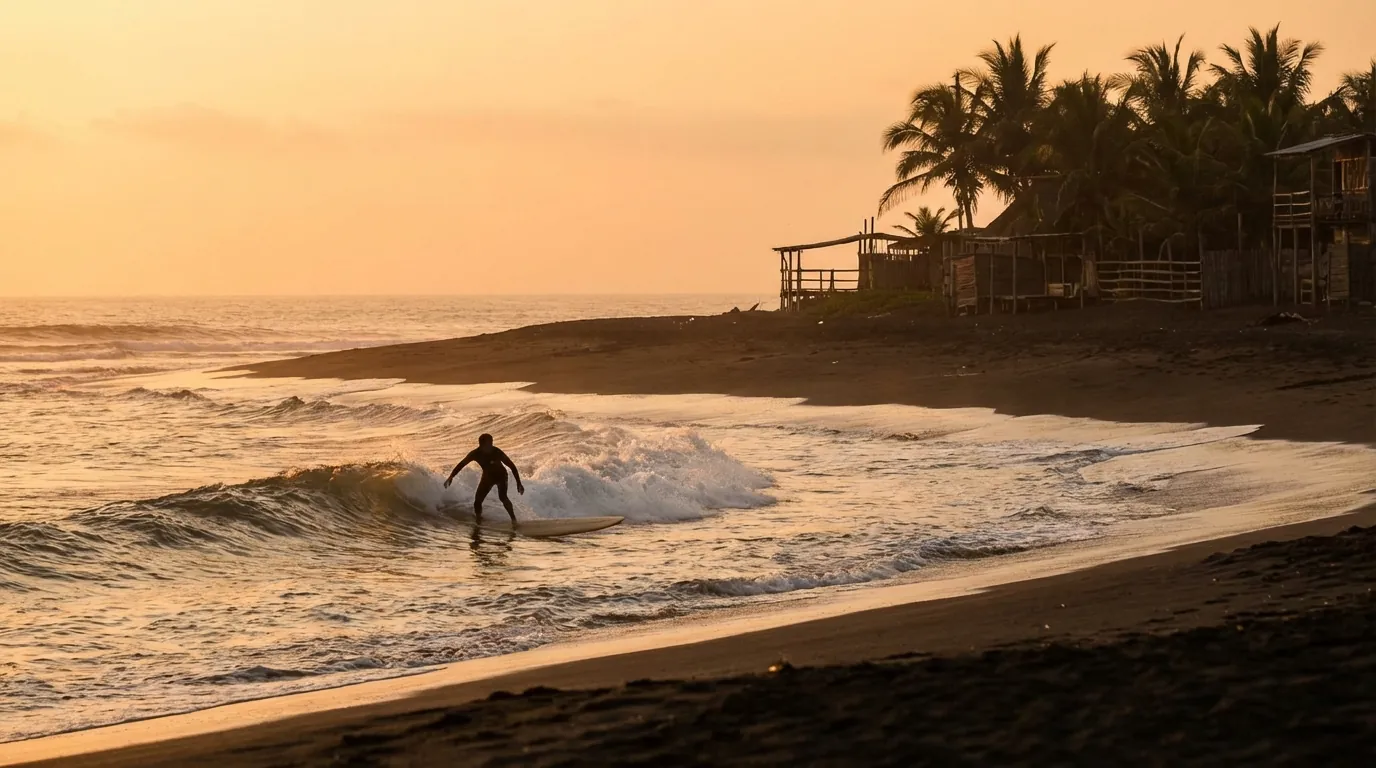
- Incredible sunsets – West-facing beach offers spectacular Pacific sunsets every evening
Who is El Paredón For?
El Paredón attracts a diverse crowd:
- Surfers – From beginners taking their first lesson to experienced riders chasing powerful beach breaks
- Wildlife enthusiasts – Turtle releases and mangrove birdwatching
- Backpackers – Affordable hostels and budget-friendly restaurants
- Couples – Romantic sunsets and boutique hotel options
- Digital nomads – Some accommodations now offer decent WiFi
- Yoga & wellness seekers – Morning yoga and beach meditation
- Photographers – Dramatic landscapes and wildlife opportunities
El Paredón is not ideal for families with young children (strong currents make swimming dangerous), those seeking luxury resorts, or travelers who need extensive nightlife options.
How to Get to El Paredón
Getting to El Paredón requires a bit of effort since there’s no direct public transport, but the journey is part of the adventure. Here are your options from the main tourist hubs:
From Guatemala City Airport (GUA)
Distance: 125 km (78 miles) | Time: 2.5-3 hours
Option 1: Private Shuttle (Recommended)
- Cost: $80-120 USD for up to 4 passengers
- Time: 2.5 hours direct
- Book in advance through your hotel or Sababa Resort
- Door-to-door service, ideal for late arrivals
Option 2: Public Transport + Taxi
- Take a shuttle or bus to Escuintla ($15-20)
- From Escuintla, taxi to El Paredón ($25-30)
- Total time: 4-5 hours with waiting
- Not recommended for first-time visitors
From Antigua
Distance: 100 km (62 miles) | Time: 2.5-3 hours
Option 1: Organized Shuttle
- Cost: $25-35 USD per person
- Departures: Usually 7:00 AM and 1:00 PM
- Book through hostels, travel agencies, or your accommodation
- Minimum 2 passengers typically required
Option 2: Private Transfer
- Cost: $70-90 USD for up to 4 passengers
- Flexible departure times
- Best for groups or those with luggage
From Lake Atitlán (San Pedro La Laguna)
Distance: 180 km (112 miles) | Time: 4-5 hours
This route is perfect if you’re combining Guatemala’s two must-see destinations: the highlands and the coast. Sababa Resort offers a convenient shuttle connecting their Lake Atitlán and El Paredón locations.
Option 1: Sababa Shuttle (Best Option)
- Cost: $35-45 USD per person
- Route: San Pedro → Panajachel → Pacific Highway → El Paredón
- Air-conditioned minivan
- Scenic route through highland villages
Option 2: DIY Route
- Lancha from San Pedro to Panajachel (Q25, 30 min)
- Chicken bus Panajachel → Escuintla (Q35-40, 3.5 hours)
- Taxi Escuintla → El Paredón (Q200, 45 min)
- Total: ~$30-35 USD, 5-6 hours, adventurous!
From Monterrico
If you’re coming from Guatemala’s other Pacific beach town:
- Distance: 60 km (37 miles)
- Time: 1.5-2 hours by taxi
- Cost: $40-50 USD private taxi
- No direct public transport
Pro Tip: Always arrange your return transport in advance. El Paredón doesn’t have a taxi stand, and getting out can be tricky without pre-booking.
Best Time to Visit El Paredón
El Paredón’s appeal changes throughout the year. Here’s when to visit based on what you want to experience:
Surf Season (November – April)
This is prime time for surfing with the most consistent swells and offshore winds. The dry season means clear skies, calm mornings for beginners, and bigger afternoon waves for experienced surfers.
- Wave conditions: Best of the year, 3-8 foot faces common
- Crowd level: Peak season, book accommodation in advance
- Temperatures: Hot (30-35°C / 86-95°F)
- Rain: Rare, mostly sunny days
Green Season (May – October)
The rainy season brings afternoon thunderstorms, but mornings are usually clear. Waves become less consistent but still surfable. This is low season with fewer tourists and lower prices.
- Wave conditions: Variable, flat spells possible
- Crowd level: Low season, easy to find accommodation
- Temperatures: Humid, frequent afternoon rain
- Advantages: Lower prices, fewer crowds, lush green landscape
Turtle Season (July – December)
This is the magical time for wildlife lovers. Three species of sea turtles (Olive Ridley, Green, and Leatherback) nest on El Paredón’s beaches. The peak is August through November.
- Turtle releases: Almost daily during peak months
- Best experience: September-October (highest nesting activity)
- Note: Releases usually happen at sunset or sunrise
Month-by-Month Quick Guide
| Month | Surf | Weather | Turtles | Crowds |
|---|---|---|---|---|
| January | Excellent | Dry, hot | No | High |
| February | Excellent | Dry, hot | No | High |
| March | Very good | Dry, hot | No | High |
| April | Good | Dry, hottest | No | Medium |
| May | Variable | Rains begin | No | Low |
| June | Variable | Rainy afternoons | Starting | Low |
| July | Variable | Rainy | Yes | Low |
| August | Fair | Rainy | Peak | Medium |
| September | Fair | Wettest month | Peak | Low |
| October | Improving | Rains easing | Peak | Medium |
| November | Good | Dry begins | Ending | Medium |
| December | Excellent | Dry, pleasant | Last releases | High |
Complete Surfing Guide
El Paredón has earned its reputation as one of Central America’s most consistent surf destinations. The beach break offers waves for all levels, though the powerful shore break can be challenging for complete beginners.
Wave Characteristics
- Wave type: Beach break with multiple peaks
- Direction: Predominantly left-breaking, some rights
- Bottom: Black volcanic sand
- Average wave height: 3-6 feet (can reach 8-10 feet)
- Water temperature: 27-30°C (80-86°F) year-round – no wetsuit needed!
- Best tide: Mid to high tide for most breaks
- Hazards: Strong currents, powerful shore break, occasional rocks
Surf Spots in El Paredón
Main Beach Break (El Paredon Point)
The primary surf zone in front of the village. Multiple peaks work at different tides. Beginners stick to the inside reform, while experienced surfers head outside for the main break.
La Barra
About 1 km south, at the river mouth. More powerful and hollow waves, best for intermediate to advanced surfers. Works better at low tide.
Sipacate
A few kilometers north, near the mangrove estuary. Mellower waves, good for longboarding. Less consistent but less crowded.
Surf Lessons
Most accommodations offer surf lessons or can arrange them. Here’s what to expect:
- Group lesson (2 hours): $25-35 USD per person
- Private lesson (2 hours): $40-60 USD
- Multi-day packages (5 lessons): $100-150 USD
- Board included: Yes, soft-top beginner boards
- Best time for lessons: Early morning (6:30-8:30 AM) when waves are smaller
Top Surf Schools:
- Paredon Surf House – Experienced instructors, good beginner program
- Driftwood Surfer – Popular hostel with daily lessons
- La Choza Chula – Hotel with experienced local guides
Board Rentals
- Soft-top longboard: $10-15/day
- Fiberglass longboard: $15-20/day
- Shortboard: $15-20/day
- Weekly rates: Usually 30-40% discount
Tip: Bring your own board if you’re serious about surfing. Board selection is limited and quality varies. Most hostels have board storage.
Surf Etiquette & Safety
- Respect the locals – they’ve been surfing here for years
- Don’t drop in on someone already riding
- Stay aware of currents – they can be strong, especially at river mouths
- The shore break is powerful – know how to duck dive or turtle roll
- Reef shoes not necessary (sand bottom) but be careful of occasional rocks
- UV protection is essential – the equatorial sun is intense
El Paredón for Non-Surfers
Don’t surf? No problem! El Paredón offers plenty beyond catching waves. Many visitors come specifically for the wildlife, beaches, and laid-back atmosphere without ever touching a surfboard.
Beach Relaxation
The dramatic black sand beach stretches for kilometers in both directions. Unlike Caribbean beaches, the dark volcanic sand gets hot in the midday sun (bring sandals!), but it’s stunning for walking, especially at sunrise and sunset.
Best beach activities:
- Morning walks at sunrise (5:30-6:30 AM)
- Sunset watching from any beachfront restaurant
- Beach yoga (many hotels offer sessions)
- Shell and driftwood collecting
- Simply relaxing in a hammock with a cold beer
Swimming Warning: The Pacific currents here are strong and the waves are powerful. Swimming is not recommended, especially for inexperienced ocean swimmers. Stick to wading in the shallows or enjoy the hotel pools instead.
Wildlife Watching
El Paredón sits in a rich ecosystem where mangroves meet the ocean. Beyond the famous sea turtles, you can spot:
- Birds: Pelicans, frigatebirds, herons, kingfishers, and dozens of migratory species
- Crocodiles: Spotted in the mangrove channels (from the safety of a boat!)
- Iguanas: Common around the village
- Dolphins: Occasionally seen from shore
- Crabs: Ghost crabs emerge at dusk on the beach
Yoga & Wellness
Several accommodations offer yoga classes, usually on beachfront platforms or rooftop spaces:
- Morning yoga: 7:00-8:00 AM at various hotels
- Drop-in class: $8-12 USD
- Private session: $30-40 USD
- Massages: Available at most hotels, $25-40 for 60 minutes
Cooking Classes
Some restaurants offer classes focusing on traditional Guatemalan seafood dishes:
- Learn to make ceviche with fresh catch
- Traditional fish preparations
- Usually $25-35 per person including meal
Fishing Trips
Join local fishermen for an authentic experience:
- Half-day trip: $50-80 per person
- Full-day deep sea: $150-200 per person
- Catch includes: snapper, snook, roosterfish, occasional marlin
- Some restaurants will cook your catch
Turtle Conservation Experiences
Sea turtle conservation is one of El Paredón’s most magical experiences. The village is home to a turtle hatchery that protects endangered species and releases thousands of baby turtles each season.
Understanding Turtle Season
Three sea turtle species nest on El Paredón’s beaches:
- Olive Ridley (Parlama): Most common, July-December
- Green Turtle: Less common, August-November
- Leatherback: Rare, November-January
Female turtles come ashore at night to lay eggs. Local conservationists patrol the beach, collect eggs before poachers can take them, and protect them in the hatchery. After 45-55 days, the babies hatch and are released at sunset.
Turtle Release Experience
Participating in a turtle release is unforgettable:
- Season: July through December (peak August-November)
- Time: Usually sunset (around 5:30 PM) or sunrise
- Cost: $5-10 donation to conservation program
- Duration: About 1 hour including education talk
- What happens: You help release baby turtles from the sand to the ocean
Ethical Considerations:
- No flash photography – it disorients the turtles
- Don’t pick up turtles once they’re heading to water
- Keep voices low
- Let them find their own way to the ocean
Nighttime Nest Watching
Some programs offer the rare opportunity to watch mother turtles laying eggs:
- Available August-November
- Guided walks at 11 PM – 3 AM
- $15-20 per person
- Not guaranteed – depends on turtle activity
- Red flashlights only, complete silence required
Conservation Program Support
Even if you visit outside turtle season, you can support the conservation programs:
- Donate directly to the hatchery
- Stay at accommodations that support conservation
- “Adopt a nest” program ($25-50)
- Volunteer opportunities available (minimum 2 weeks)
Mangrove Boat Tours
Behind El Paredón lies an extensive mangrove estuary that’s one of Guatemala’s most important wetland ecosystems. A boat tour through these channels is a peaceful contrast to the powerful ocean waves.
What to Expect
Mangrove tours take you through narrow waterways lined with dense mangrove forests. The ecosystem supports incredible biodiversity:
- Duration: 1.5-2.5 hours
- Best time: Early morning (6:00-8:00 AM) or late afternoon (4:00-5:30 PM)
- Cost: $15-25 per person in group tour, $40-60 private
- Boat type: Small wooden lanchas with outboard motors
Wildlife You’ll See
- Herons & egrets: Multiple species, incredibly common
- Kingfishers: Brilliant blue flashes along the waterways
- Pelicans: Often diving for fish
- Crocodiles: American crocodiles sun on the banks (kept at safe distance)
- Iguanas: Sunning in the trees
- Monkeys: Howler monkeys in surrounding forests (if lucky)
- Fish: Mullet, snook, and other species visible in clear waters
Photography Tips
- Bring a telephoto lens (200mm+) for wildlife
- Early morning offers best light and most active wildlife
- Keep camera in a waterproof bag during transit
- Polarizing filter helps reduce water reflections
Booking Tours
Most hotels can arrange tours, or ask at the beach restaurants. Tours run daily during high season; during low season, you may need to gather a group or pay for a private trip.
Where to Eat in El Paredón
El Paredón’s food scene is simple but delicious, centered around fresh seafood and international options catering to the surf crowd.
Seafood Restaurants
La Choza Chula Restaurant
- Best ceviche in town
- Fresh catch of the day
- Beachfront location
- Price: $$
El Paredon Surf Camp Restaurant
- Classic Guatemalan seafood
- Whole fried fish (mojarra frita)
- Good value portions
- Price: $
Local Fish Shacks
- Beach-side local spots
- Freshest fish, caught that morning
- Basic setting, incredible flavors
- Price: $
International & Fusion
Driftwood Surfer Restaurant
- International menu (tacos, burgers, bowls)
- Great smoothies and acai bowls
- Popular with backpackers
- Price: $$
Mellow Hostel Kitchen
- Vegetarian and vegan options
- Healthy breakfast bowls
- Fresh juices
- Price: $$
What to Try
- Ceviche: Fresh raw fish “cooked” in lime juice with onions and cilantro
- Mojarra frita: Whole fried tilapia, crispy and delicious
- Camarones al ajillo: Garlic shrimp, buttery and garlicky
- Pescado a la plancha: Grilled fish of the day
- Coco loco: Rum served in a fresh coconut
Budget Eating Tips
- The local comedores (small family restaurants) offer platos del día for $3-5
- Buy snacks at the small tiendas (no supermarket in town)
- Hostel kitchens available if staying in budget accommodation
- Bring snacks from Antigua or Guatemala City – options are limited
Important: El Paredón has NO ATM. Bring enough cash for your entire stay. Some places accept cards, but not all. The nearest ATM is in Escuintla (45 minutes away).
Nightlife & Beach Bars
El Paredón isn’t a party destination like some beach towns, but it has a relaxed evening scene perfect for post-surf beers and sunset drinks.
Beach Bars
Driftwood Surfer Bar
- Most popular spot for travelers
- Live music some nights
- Beer pong, pool table
- Stays open until midnight or later on weekends
La Choza Chula Beach Bar
- Upscale vibe (relatively speaking)
- Good cocktails
- Best sunset views
- Often has music on weekends
Hotel Bars
Most accommodations have their own bars with ocean views, perfect for quieter evenings.
What to Expect
- Vibe: Laid-back, beach casual, flip-flops and boardshorts
- Peak hours: 6:00 PM – midnight
- Beer prices: $2-3 for local (Gallo, Victoria), $4-5 for imported
- Cocktails: $5-8
- Music: Reggae, surf rock, Latin vibes
Weekend Events: Saturday nights often feature bonfires on the beach, especially during high season. Ask around when you arrive.
Where to Stay in El Paredón
Accommodation in El Paredón ranges from basic dorm beds to comfortable boutique hotels. There are no luxury resorts – this is still an off-the-beaten-path destination.
Budget ($15-35/night)
Driftwood Surfer
- Backpacker favorite
- Dorms from $15, private rooms from $45
- Pool, bar, restaurant
- Social atmosphere
- Surf lessons available
El Paredon Surf Camp
- Basic but clean rooms
- Right on the beach
- Good for serious surfers
- Simple meals included in packages
Mellow Hostel
- Chilled vibe
- Vegetarian-friendly kitchen
- Yoga sessions
- Good for solo travelers
Mid-Range ($50-100/night)
La Choza Chula Hotel
- Most established hotel in town
- Beachfront bungalows
- Pool, restaurant, bar
- Good WiFi
- Turtle conservation partner
Sababa El Paredón
- Part of the Sababa Resort family (also in Lake Atitlán)
- Comfortable rooms with AC
- Pool and ocean views
- Easy shuttle transfers to Lake Atitlán location
- Perfect for combining lake + beach trip
Swell Hotel
- Boutique option
- Design-focused rooms
- Instagram-worthy pool
- Good for couples
Premium ($100-150/night)
Hotel Paredon Surf House
- Most upscale option
- Private bungalows
- Full breakfast included
- Air conditioning
- Best service in town
Booking Tips
- Book 2-3 weeks ahead for December-March (high season)
- Walk-ins usually fine during low season
- Check if AC is included (important April-May when it’s hottest)
- Confirm WiFi quality if you need to work
- Ask about mosquito nets – useful during rainy season
Photography & Instagram Spots
El Paredón is incredibly photogenic. Here are the best spots and times for capturing stunning images:
Sunrise Shots (5:30-6:30 AM)
- Black sand beach: The contrast of dark sand, golden light, and crashing waves is magical
- Fishermen launching boats: Authentic local life captures
- Silhouetted surfers: Early birds catching the first waves
Sunset Shots (5:00-6:30 PM)
- Any beachfront restaurant deck: Unobstructed ocean views
- La Choza Chula pool area: Infinity pool with sunset backdrop
- Turtle release: If timing aligns, baby turtles at sunset is incredible
Mangrove Photography
- Best time: Early morning for wildlife and soft light
- Must-have: Telephoto lens for birds
- Subjects: Herons, kingfishers, reflections in still water
Surf Action Shots
- Position yourself at the main break in front of the village
- Best light: morning (backlit) or late afternoon (golden)
- Water housing recommended for in-water shots
Drone Photography
- Dramatic black sand beach from above
- Mangrove channels create fascinating patterns
- Check local regulations – generally relaxed here
Day Trips from El Paredón
While El Paredón is best enjoyed at a slow pace, a few day trips are worth considering:
Monterrico (1.5 hours)
Guatemala’s other Pacific beach town is more developed with more restaurant options, a larger turtle reserve, and a wildlife reserve worth visiting.
- Round-trip taxi: $60-80
- Best combined with ARCAS wildlife reserve visit
Coffee Farm Tours (2-3 hours)
Several coffee fincas in the nearby mountains offer tours:
- Learn about Guatemala’s famous coffee production
- Usually includes tasting
- Arrange through your hotel
- Cost: $30-50 including transport
Antigua (3 hours)
If you have a full day, a trip to colonial Antigua offers:
- Historic churches and ruins
- Better shopping and restaurants
- ATM access
- Best as overnight if possible
Packing List for El Paredón
Essential Items
- Cash (Quetzales and USD) – NO ATM in town!
- Reef-safe sunscreen (SPF 50+)
- Hat and sunglasses
- Sandals/flip-flops for hot sand
- Light, breathable clothing
- Swimsuit(s)
- Insect repellent (mosquitoes at dusk)
- Basic first aid kit
- Waterproof bag for electronics
For Surfers
- Rash guard (sun protection)
- Board shorts
- Surf wax (tropical formula)
- Leash (if bringing your own board)
- Ear plugs (prevent surfer’s ear)
For Wildlife/Photography
- Binoculars
- Camera with telephoto lens
- Red flashlight (for turtle watching)
- Waterproof camera bag
Nice to Have
- Hammock (some places don’t provide)
- Travel towel
- Snacks from city (limited options locally)
- Small flashlight (power outages happen)
- Portable battery pack
Safety & Practical Tips
Ocean Safety
- Don’t swim if you’re not confident – currents are powerful
- Always surf with others
- Watch for rip currents (if caught, swim parallel to shore)
- The shore break is deceptively strong
- Never turn your back to the ocean
Sun Protection
- The equatorial sun is intense – reapply sunscreen every 2 hours
- Seek shade during midday (11 AM – 3 PM)
- Wear a hat, even in the water
- Sunburn happens fast here
Health
- Drink bottled water only
- Ice is usually safe at restaurants
- Bring basic medications – no pharmacy in town
- Nearest hospital is in Escuintla (45 min)
- Mosquitoes active at dusk – use repellent
Money & Communications
- NO ATM in El Paredón – bring enough cash for entire stay
- Some places accept cards but don’t rely on it
- Mobile signal is decent (Tigo/Claro networks)
- WiFi quality varies – don’t expect reliable video calls
General Safety
- El Paredón is generally safe, but use common sense
- Don’t leave valuables on the beach unattended
- Lock your room (most places provide safes)
- Don’t walk the beach alone late at night
- Let someone know if you go for a solo swim
Budget Breakdown
Here’s what to expect to spend in El Paredón:
Backpacker Budget ($35-50/day)
- Dorm bed: $15-20
- Food: $15-20 (mix of cheap eats and one restaurant meal)
- Activities: $5-10 (board rental or beer money)
Mid-Range Budget ($80-120/day)
- Private room: $50-70
- Food: $25-35 (restaurant meals)
- Activities: $15-25 (surf lesson, mangrove tour)
Comfort Budget ($150-200/day)
- Hotel room with AC: $100-150
- Food: $35-50 (nice restaurants, cocktails)
- Activities: $25-40 (private tours, multiple activities)
Sample Prices
| Item | Price (USD) |
|---|---|
| Local beer | $2-3 |
| Cocktail | $5-8 |
| Ceviche | $6-10 |
| Whole fried fish | $8-12 |
| Surf lesson (2 hr) | $25-35 |
| Board rental (day) | $10-15 |
| Mangrove tour | $15-25 |
| Turtle release donation | $5-10 |
| Shuttle from Antigua | $25-35 |
Frequently Asked Questions
Is El Paredón safe for tourists?
Yes, El Paredón is considered safe for tourists. It’s a small village where locals know each other and look out for visitors. The main safety concerns are ocean-related (strong currents, powerful waves) rather than crime. Use normal precautions: don’t leave valuables unattended and avoid walking the beach alone late at night.
Can beginners surf in El Paredón?
Yes, but with important caveats. El Paredón has a powerful shore break that can be intimidating for complete beginners. However, experienced instructors know the best conditions and spots for learners. Book lessons through a reputable school, go early morning when waves are smaller, and be prepared for a challenging learning environment compared to mellower breaks.
Is there an ATM in El Paredón?
No, there is no ATM in El Paredón. The nearest ATM is in Escuintla, about 45 minutes away. Bring enough cash (Guatemalan Quetzales or US Dollars) for your entire stay. Some businesses accept credit cards, but don’t rely on it.
When is turtle release season in El Paredón?
Sea turtle nesting season runs from July through December, with peak activity in September and October. Turtle releases typically happen at sunset, almost daily during peak months. Even if you visit during off-season, you can still visit the conservation hatchery and learn about the program.
How do I get from Lake Atitlán to El Paredón?
The easiest option is a tourist shuttle, which takes 4-5 hours and costs $35-45 per person. Sababa Resort offers direct shuttles between their Lake Atitlán (San Pedro) and El Paredón locations. The DIY route involves lanchas, chicken buses, and a taxi, taking 5-6 hours total for around $30-35.
Can you swim at El Paredón beach?
Swimming is not recommended at El Paredón due to strong currents, powerful waves, and a steep shore break. Even experienced swimmers should exercise extreme caution. Most visitors enjoy the beach for walking, sunbathing, and surfing. If you want to swim, use the hotel pools or wade carefully in the shallows.
What’s the best time to visit El Paredón for surfing?
November through April offers the best surf conditions, with consistent swells, offshore winds, and dry weather. December through February is peak season with the most consistent waves. The rainy season (May-October) has more variable conditions but also fewer crowds and lower prices.
Is El Paredón good for families with children?
El Paredón is not ideal for families with young children. The strong currents make swimming dangerous, there are no kid-specific activities, and the laid-back surf vibe caters more to adults. For families, consider Monterrico instead, which has calmer swimming areas and more family-oriented facilities. Older teens who want to learn to surf could enjoy El Paredón with supervision.
Final Tips for Your El Paredón Trip
- Embrace the simplicity. El Paredón isn’t about luxury or convenience – it’s about disconnecting, catching waves, watching sunsets, and experiencing authentic Guatemala.
- Plan for limited infrastructure. Bring cash, snacks, and any specific medications or items you can’t live without.
- Combine with Lake Atitlán. The lake + beach combo is the ultimate Guatemala experience. Sababa Resort makes this easy with locations at both.
- Book transport in advance. Getting in and out requires planning – don’t leave it to chance.
- Respect the ocean. This isn’t a calm beach. Know your limits and don’t take unnecessary risks.
- Support conservation. Participate in turtle releases and support the local conservation programs protecting these endangered species.
El Paredón might not be the easiest beach to reach, but that’s exactly what makes it special. Those who make the journey are rewarded with an authentic Guatemalan Pacific experience that’s becoming increasingly rare in Central America. Whether you come for the waves, the turtles, or simply to escape the tourist trail, El Paredón delivers.
Have you visited El Paredón? Share your tips and experiences in the comments below!