
Is Lake Atitlan Safe? Honest Safety Guide for 2026
Lake Atitlan remains one of Central America’s most captivating destinations, drawing travelers from around the world to its volcanic shores. If you’re planning a trip to Guatemala’s highland gem, safety questions are natural. This honest guide breaks down what you need to know about visiting Lake Atitlan safely, from transportation to local customs, so you can explore with confidence and peace of mind.
General Safety Overview
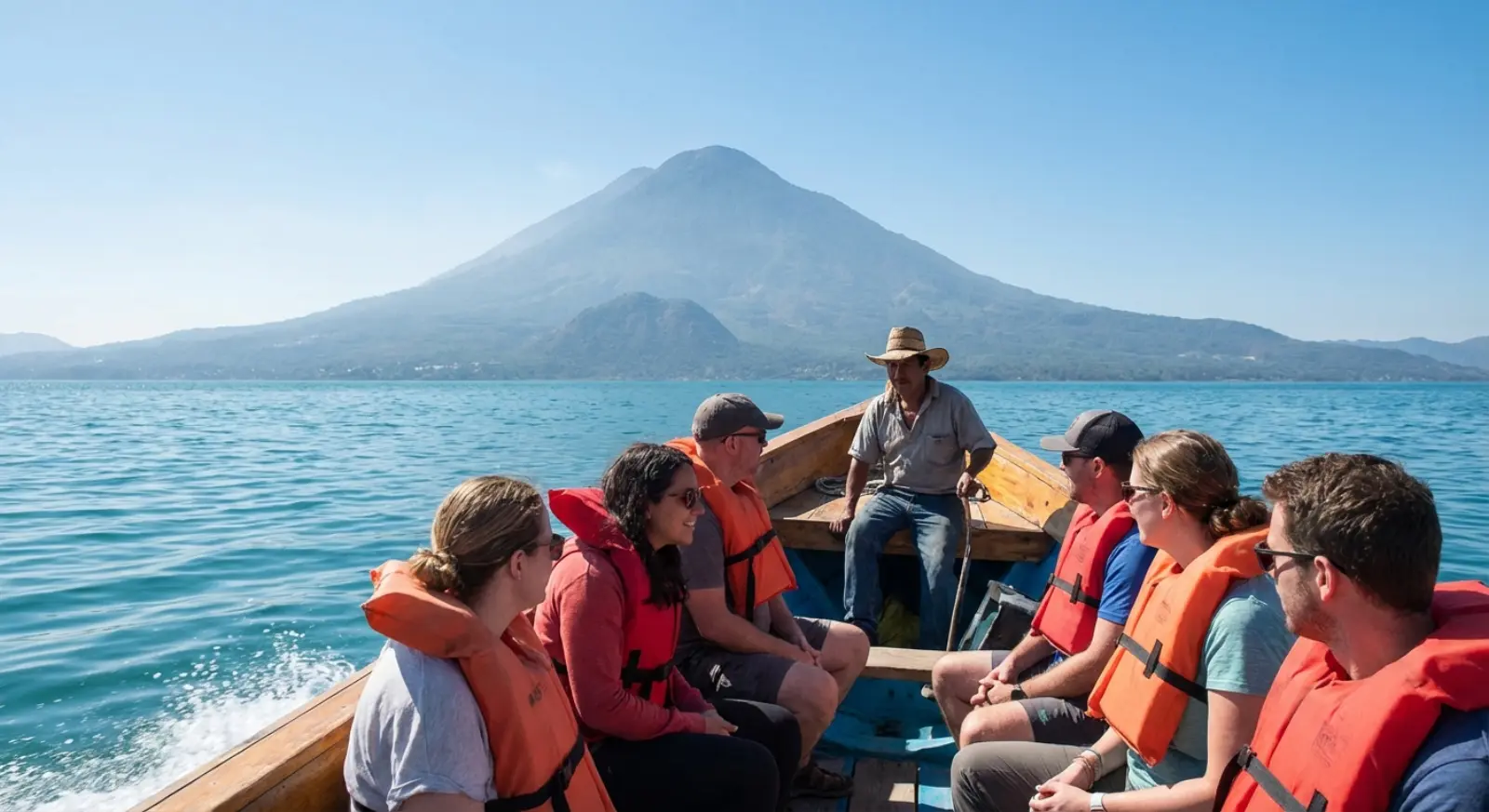
Lake Atitlan is considered one of Guatemala’s safer tourist destinations. The lakeside villages—including San Pedro La Laguna, San Marcos La Laguna, and Panajachel—have established tourism infrastructure and welcoming local communities. The area sees thousands of international visitors annually who travel, hike, and explore without incident.
That said, common-sense precautions apply here as they would anywhere:
- Keep valuables secure and out of sight
- Avoid walking alone late at night in isolated areas
- Use registered transportation services
- Stay aware of your surroundings in crowded markets
Transportation Safety Around the Lake
Getting around Lake Atitlan primarily involves lanchas (small motorboats) that connect the various villages. Here’s what to know:
- Public lanchas operate regularly between Panajachel and lakeside towns, typically running until around 6pm
- Boats depart from Panajachel approximately every 30 minutes
- Life jackets are available—ask for one if not offered
- Morning crossings are calmer; the Xocomil wind can make afternoon waters choppy
- Avoid overloaded boats and those operating after dark
For land travel, tourist shuttles from Antigua or Guatemala City to Panajachel are the recommended option. These take approximately 2.5-3 hours from Antigua and offer door-to-door service.
Hiking and Outdoor Activity Safety
The region offers incredible hiking opportunities, including the Volcán San Pedro (3,020 meters) and the popular Indian Nose sunrise viewpoint. Follow these guidelines:
- Hire a local guide for volcano hikes—this supports the community and enhances safety
- Start volcano climbs early (5-6am) to avoid afternoon clouds and complete the descent in daylight
- Bring at least 2 liters of water, sun protection, and layers for temperature changes
- Inform your accommodation of your hiking plans
- Stick to established trails and travel in groups when possible
Health and Practical Considerations
Staying healthy at Lake Atitlan requires some basic awareness:
- Lake water is not potable—drink only bottled or purified water
- The altitude (approximately 1,560 meters) can affect some visitors; allow time to acclimatize
- Temperature ranges from 12-25°C depending on time of day—bring layers
- ATMs are limited in smaller villages; carry sufficient cash
- Basic medical facilities exist in Panajachel and San Pedro; serious emergencies may require transfer to Guatemala City or Antigua
Respecting Local Culture
Lake Atitlan is home to the Tzutujil and Kaqchikel Maya peoples whose communities have lived here for centuries. Respectful behavior contributes to everyone’s safety and experience:
- Ask permission before photographing local people, especially in traditional dress
- Respect sacred sites and Maya ceremonies
- Learn a few basic phrases in Spanish—it’s appreciated
- Bargain respectfully at markets without aggressive haggling
- Dress modestly when visiting churches or ceremonial sites
Conclusion
Lake Atitlan rewards travelers who approach it with awareness and respect. By following sensible precautions, hiring local guides for outdoor adventures, and engaging thoughtfully with Maya communities, you’ll find this volcanic lake to be a welcoming destination. For a comfortable and secure base from which to explore, consider staying at Sababa Resort in San Pedro La Laguna, where panoramic lake views meet the warmth of a conscious traveler community.