San Pedro vs San Marcos vs Panajachel: Which Lake Atitlán Town is Right for You?
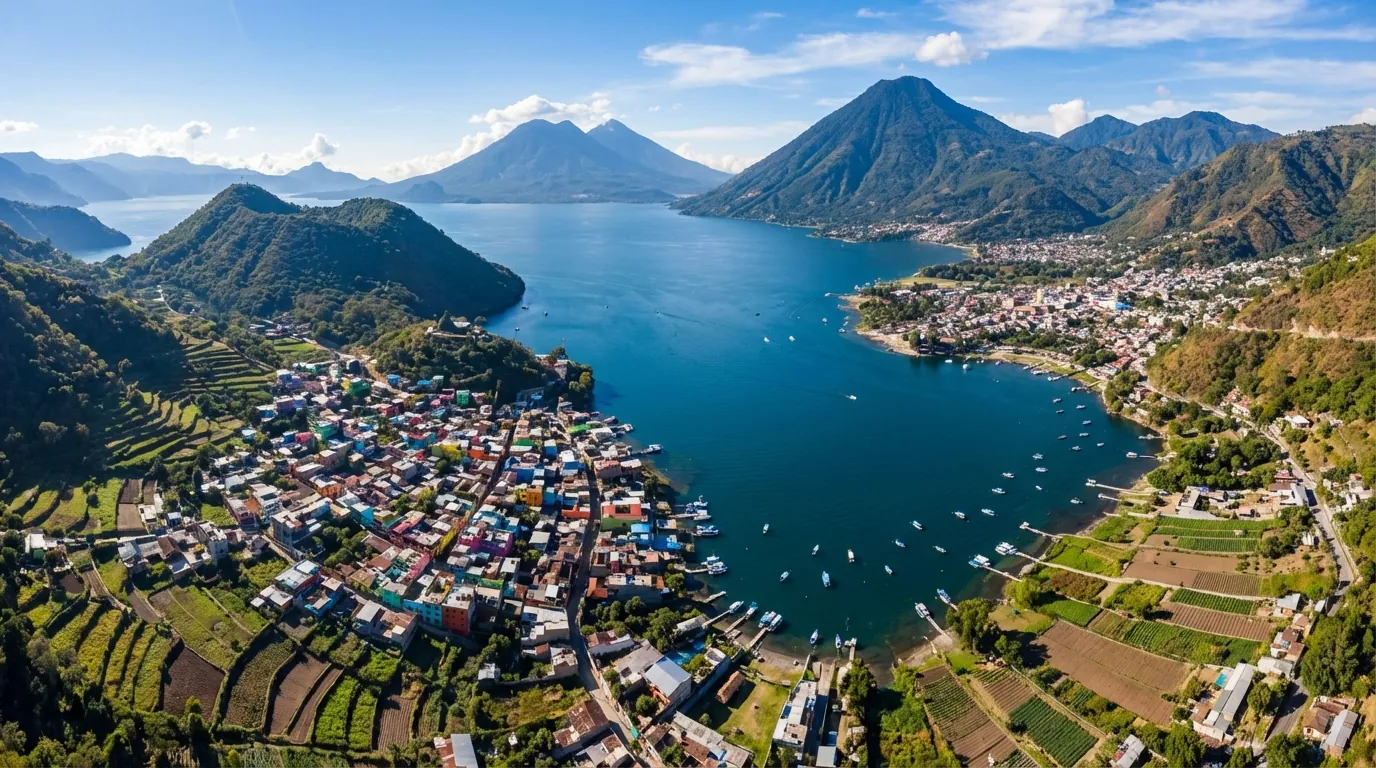
Trying to figure out where to stay on Lake Atitlán? You’re not alone. With over a dozen towns ringing Central America’s most beautiful lake, choosing the right base can feel overwhelming — especially when every blog seems to say something different.
Here’s the truth: there’s no single “best town” on Lake Atitlán. The right choice depends entirely on you — your budget, your travel style, and what kind of experience you’re after. A party-loving backpacker and a wellness-seeking yogi will have very different “best” towns.
I’ve spent months living around the lake, hopping between towns by lancha (the local boats), and I’m going to give you the honest, no-BS breakdown of the three most popular towns — San Pedro La Laguna, San Marcos La Laguna, and Panajachel — plus quick takes on San Juan, Santa Cruz, and Jaibalito. By the end, you’ll know exactly which town matches your vibe.
Let’s dive in.
- Quick Comparison Table
- San Pedro La Laguna — The Backpacker Hub
- San Marcos La Laguna — The Spiritual Retreat
- Panajachel — The Gateway Town
- Other Towns Worth Knowing
- Getting Around: Boat Connections Between Towns
- Budget Comparison: What Does Each Town Cost?
- Which Town is Right for You? (Decision Guide)
- Frequently Asked Questions
- Final Verdict
Quick Comparison Table: San Pedro vs San Marcos vs Panajachel
Before we get into the details, here’s a bird’s-eye view of how the three main towns stack up. This should give you an instant feel for where you might fit best.
| Category | San Pedro La Laguna | San Marcos La Laguna | Panajachel |
|---|---|---|---|
| Vibe | Social backpacker hub, lively & affordable | Spiritual & wellness-focused, quiet | Tourist gateway, most developed |
| Best For | Backpackers, digital nomads, party crowd | Yoga lovers, spiritual seekers, couples | Families, short-trippers, first-timers |
| Budget (per day) | $15–40 USD | $25–60 USD | $30–80 USD |
| Dorm Beds | From $5–8 | From $8–12 | From $8–12 |
| Private Rooms | From $15–35 | From $25–50 | From $25–60 |
| Food Scene | Excellent — cheap local + international | Good — health-focused, limited variety | Broadest range — local to upscale |
| Nightlife | Best on the lake 🎉 | Basically none (cacao ceremonies count?) | A few bars, mellow |
| WiFi / Coworking | Good — several coworking spots | Spotty — improving slowly | Decent — some cafés with WiFi |
| ATMs | Yes (limited) | No | Yes (multiple) |
| Road Access | Yes (rough road from lake highway) | Boat only (practical access) | Yes (main highway) |
| Mayan Culture | Strong Tz’utujil presence | Mixed — expat-heavy | Kaqchikel roots, touristic overlay |
| Safety | Generally safe, use common sense at night | Very safe, quiet | Generally safe, watch for pickpockets on Calle Santander |
| Overall Rating | ⭐⭐⭐⭐⭐ (for budget travelers) | ⭐⭐⭐⭐ (for wellness seekers) | ⭐⭐⭐⭐ (for convenience) |
Now let’s break each town down in detail.
San Pedro La Laguna — The Backpacker Capital of Lake Atitlán
The Vibe
San Pedro La Laguna is, without a doubt, the beating heart of the backpacker scene on Lake Atitlán. If the lake had a party animal, San Pedro would be it — but don’t let that fool you. It’s far more layered than just bars and hostels.
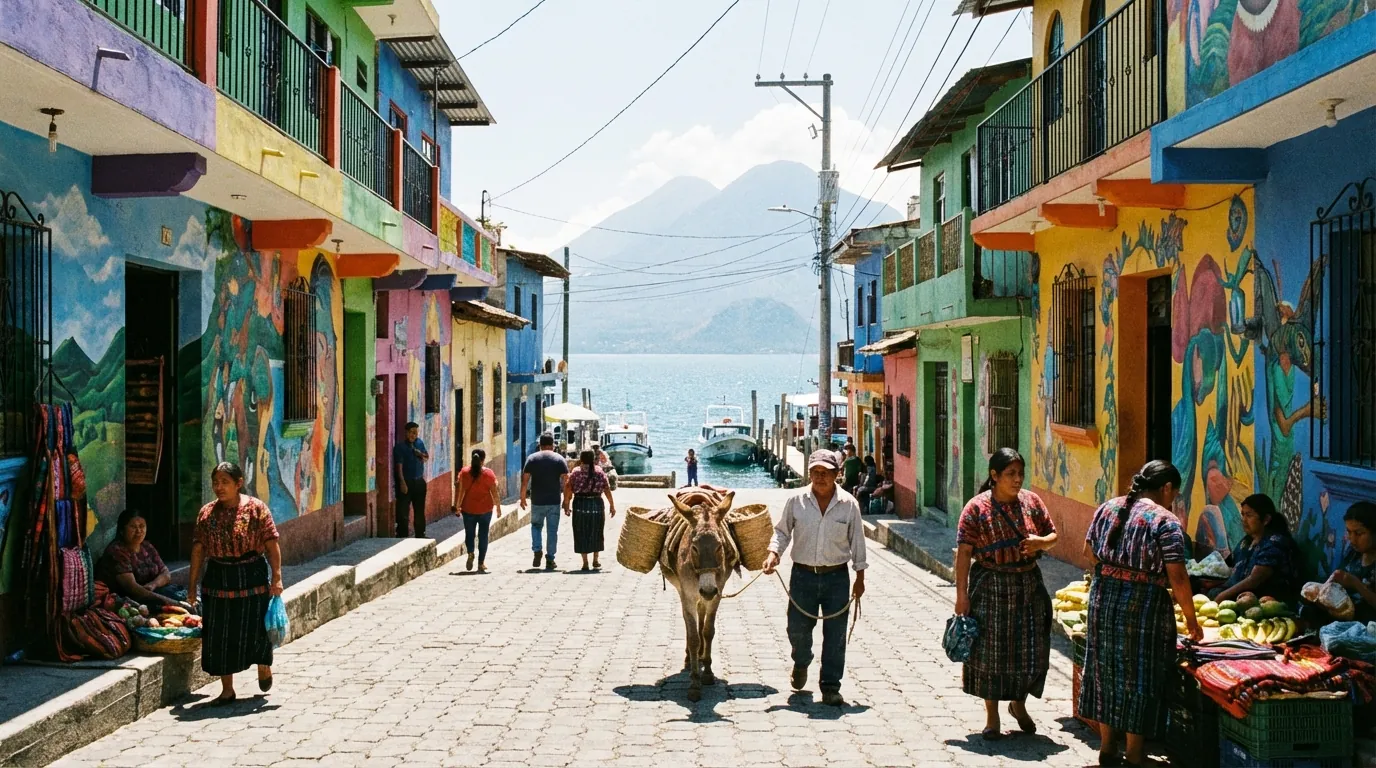
San Pedro is a real, working Tz’utujil Maya town. Walk past the tourist strip and you’ll find women in traditional huipiles carrying baskets on their heads, tuk-tuks blasting reggaeton, and open-air markets selling produce for cents. The contrast between the gringo-friendly lakefront and the authentic Guatemalan town center is striking and, honestly, part of its charm.
The town has two main zones: the lakefront area (where the boats dock, and where most hostels, restaurants, and bars cluster) and the town center uphill (the central park, church, market, and local life). In between, winding paths and steep streets connect everything. It’s walkable but hilly — your calves will thank you later.
The overall feel? Relaxed but social. It’s easy to meet people here. You’ll make friends at the hostel, run into them at dinner, and end up dancing with them at Sublime or D’Noz by midnight. But it’s equally easy to find a quiet café, crack open your laptop, and get work done. San Pedro accommodates both extremes surprisingly well.
Accommodation
San Pedro has the widest range of budget accommodation on the lake. You can find a dorm bed for as low as $5–8 USD per night and private rooms starting around $15–20 USD. For those wanting a bit more comfort, boutique-style rooms and lake-view Airbnbs go for $30–60.
Some popular options:
- Sababa Hostel — A standout in San Pedro’s hostel scene, Sababa combines a social atmosphere with genuinely comfortable dorms and private rooms. There’s a great common area for meeting fellow travelers, reliable WiFi for getting work done, and the kind of relaxed vibe that makes people extend their stay by weeks. It’s the sweet spot between party hostel and chill retreat. (Full disclosure: it’s ours, but we built it because we thought San Pedro needed exactly this.)
- Budget guesthouses — Dozens of locally-run hospedajes dot the hillside, offering no-frills rooms at rock-bottom prices.
- Mid-range hotels — Several small hotels offer pool access, hot water, and lake views in the $30–50 range.
- Airbnbs and long-term rentals — San Pedro is one of the best towns for finding monthly rentals ($200–500/month for apartments). Digital nomads take note.
For a detailed breakdown of where to stay, check out our complete guide to accommodation on Lake Atitlán.
Food Scene
San Pedro’s food scene punches way above its weight for a small Guatemalan lakeside town. You’ll find:
- Cheap local food: Comedores (local eateries) in the town center serve set lunches for Q15–25 ($2–3 USD). Think grilled chicken, rice, beans, tortillas, and a drink. You can eat three meals a day for under $8.
- International restaurants: Italian pizza, Israeli shakshuka, Indian curry, Thai noodles, Mexican tacos, vegan bowls — it’s all here. Most meals run $4–8.
- Café culture: Several excellent coffee shops serve Guatemalan single-origin beans. The Clover, Café Las Cristalinas, and a growing number of specialty spots make San Pedro a legit coffee destination.
- Street food: Tostadas, elotes (grilled corn), and pupusas from street vendors for Q5–10.
The variety and value are unbeatable. You could eat at a different restaurant every meal for two weeks and not repeat.
Nightlife
Let’s be real: San Pedro has the best nightlife on Lake Atitlán. That’s not a high bar — this isn’t Cancún — but if you want to go out and dance, San Pedro is your only serious option.
The main spots:
- Sublime — The flagship party spot. DJs, dancing, events. Gets going after 11 PM.
- D’Noz — A backpacker favorite with pool tables, cheap drinks, and a reliably fun crowd.
- Bar Allegre — Live music some nights, more chill vibes.
- Various hostel bars — Many hostels have their own bars with events, pub quizzes, and happy hours.
The party scene peaks on Tuesdays and Saturdays (yes, Tuesday is a big night — don’t ask me why, it just is). Expect a mix of backpackers, long-term travelers, and some locals. Drinks are cheap: beers for Q10–15, cocktails for Q25–35.
The honest downside: The party crowd can feel repetitive after a while. It’s the same bars, same faces, same circuit. If you’re staying long-term, you might tire of it — though most people find a balance between social nights and quiet ones.
Activities
San Pedro keeps you busy. Here’s what’s on offer:
- Indian Nose sunrise hike — The iconic pre-dawn hike with panoramic lake views. Leaves around 4:30 AM; unforgettable.
- San Pedro Volcano hike — A challenging 4–5 hour climb with summit views of the entire lake.
- Spanish schools — San Pedro is one of the cheapest places in the world to learn Spanish. Schools charge $50–80/week for 4 hours/day of one-on-one instruction, sometimes including homestay.
- Kayaking and swimming — Rent kayaks or paddleboards from the lakefront. The swimming is refreshing (the lake is clean around San Pedro).
- Paragliding — Tandem flights over the lake. Seriously bucket-list stuff.
- Free walking tours — Learn about Tz’utujil culture and history.
- Art and textiles workshops — Nearby San Juan La Laguna is famous for its painters’ cooperative and natural textile dyeing (10 minutes by tuk-tuk).
For the full rundown, see our guide to things to do in San Pedro La Laguna.
Internet & Coworking
San Pedro has become a legitimate digital nomad base in recent years. While the internet isn’t fiber-optic-fast, it’s reliably good enough for video calls and remote work in the right spots.
- Several cafés offer strong WiFi (10–30 Mbps download is common).
- Dedicated coworking spaces have popped up, with monthly memberships available.
- Most hostels and hotels offer free WiFi, though quality varies.
- A Tigo or Claro SIM card with data costs about $5–10/month for backup connectivity.
If you’re a remote worker planning to stay for a month or more, San Pedro is the most practical town on the lake for that lifestyle.
Costs
San Pedro is the cheapest town for travelers on Lake Atitlán. Here’s what a typical day looks like:
- Budget traveler: $15–20/day (dorm bed, local food, free activities)
- Mid-range: $25–40/day (private room, restaurant meals, occasional activity)
- Comfortable: $40–60/day (nice hotel, eating out every meal, activities)
Monthly costs for digital nomads: $500–800/month is realistic, including rent ($200–350 for a furnished apartment), food, coworking, and fun. That’s hard to beat anywhere in the world.
Pros & Cons of San Pedro La Laguna
✅ Pros:
- Cheapest town on the lake
- Best nightlife and social scene
- Great food variety
- Best infrastructure for digital nomads
- Authentic Mayan culture alongside the tourist scene
- Tons of activities
- Easy to meet people
- Good boat connections to everywhere
❌ Cons:
- Can feel like a “gringo bubble” around the lakefront
- Dusty, hilly streets (not great for mobility issues)
- Party scene can be repetitive
- Not the most scenic lakeside setting (the shoreline isn’t as pretty as San Marcos)
- Occasional noise from bars if you’re staying nearby
- Stray dogs everywhere (charming or annoying depending on your disposition)
San Marcos La Laguna — The Spiritual Heart of the Lake
The Vibe
If San Pedro is the lake’s extrovert, San Marcos is the introvert who’s really into breathwork.
This tiny town has earned a reputation as one of Central America’s top wellness and spiritual destinations. Walk through San Marcos and you’ll pass cacao ceremony flyers, ecstatic dance announcements, crystal shops, and signs advertising everything from Kundalini yoga to past-life regression. The air smells like palo santo. Someone is definitely playing a handpan somewhere.
Now — I’m poking fun, but I mean it lovingly. San Marcos genuinely offers something unique. The energy here is peaceful. The town is small, lush, and green, nestled under avocado trees and tropical plants. The lake access is arguably the prettiest on the whole shoreline, with a beautiful swimming area where crystal-clear water meets volcanic rock formations.
The community is a mix of long-term expats (many running wellness businesses), Kaqchikel Maya locals, and a revolving door of visitors on yoga retreats. It’s less overtly social than San Pedro — you won’t stumble into group dinners at your hostel as easily — but the people who love San Marcos really love it. Many come for a week and stay for months.
One thing to know: San Marcos is tiny. Like, really tiny. You can walk end to end in 15 minutes. There’s one main path (not even a road, really) and a handful of side trails. No tuk-tuks, no cars in the center. Just footpaths, gardens, and the occasional chicken crossing your path.
Accommodation
Accommodation in San Marcos skews slightly more expensive than San Pedro, reflecting the wellness-retreat clientele:
- Dorm beds: $8–12/night. Fewer options than San Pedro.
- Private rooms: $25–50/night for basic to mid-range.
- Retreat centers: $40–100+/night, often including meals and yoga classes.
- Eco-lodges: Several beautiful bamboo/stone structures nestled in gardens. Gorgeous but not always practical (limited electricity, cold showers, bugs).
- Long-term rentals: Available but harder to find than San Pedro. Budget $250–500/month.
The standout style here is the eco-retreat: open-air bungalows, composting toilets, solar showers. If that sounds like heaven, San Marcos is calling. If it sounds like hell, maybe keep reading about Panajachel.
Food Scene
San Marcos has a smaller but distinctive food scene:
- Health-focused restaurants: Açaí bowls, matcha lattes, raw vegan wraps, Buddha bowls. San Marcos runs on superfoods.
- International options: A few Italian, Israeli, and fusion restaurants. Quality is generally high, but variety is limited.
- Local food: Fewer comedores than San Pedro, but a couple serve cheap Guatemalan meals.
- Cafés: Several lovely spots for coffee and pastries, usually with garden seating.
Prices are higher than San Pedro — expect to pay $5–10 for a meal at most restaurants. The health-food markup is real. A smoothie bowl that costs Q25 in San Pedro might be Q45 in San Marcos.
The downside: if you want cheap street food, greasy pizza at 2 AM, or just more than 10 restaurants to choose from, you’ll feel limited here.
Nightlife
What nightlife? San Marcos is quiet after dark.
Your evening entertainment options include:
- Cacao ceremonies (surprisingly popular and genuinely interesting)
- Ecstatic dance events (usually weekly)
- Full moon/new moon gatherings
- A couple of bars that close early
- Sitting by the lake with a cup of cacao, staring at the stars
If you need nightlife, take the 10-minute boat to San Pedro. Seriously. Many people stay in San Marcos for the peace and take the occasional boat ride to San Pedro when they want a night out.
Activities
San Marcos is activity-rich, just in a very different way than San Pedro:
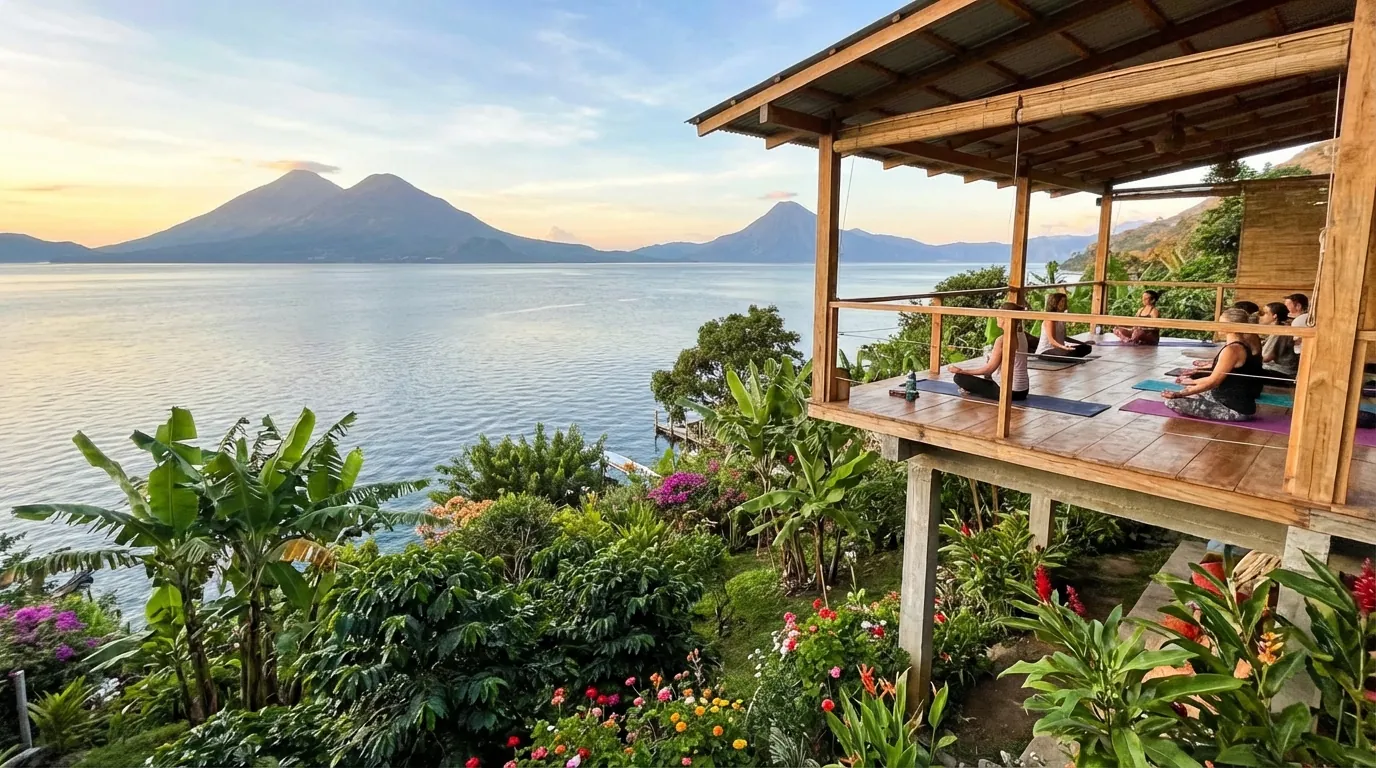
- Yoga: Multiple studios offering daily classes in every style imaginable — Hatha, Vinyasa, Kundalini, Yin, Acroyoga. This is why most people come. For more, see our guide to yoga and wellness retreats on Lake Atitlán.
- Meditation retreats: Multi-day silent retreats, vipassana-style sits, guided meditations.
- Holistic healing: Reiki, sound healing, breathwork, temazcal (Mayan sweat lodge), plant medicine ceremonies. San Marcos has it all.
- Swimming & cliff jumping: The Cerro Tzankujil nature reserve has swimming platforms and a cliff-jumping spot — one of the best lake swims anywhere.
- Hiking: Trails connect San Marcos to neighboring towns (the path to Tzununa is beautiful).
- Art & music: Open mic nights, painting circles, drum circles.
Internet & Coworking
This is San Marcos’s biggest weakness for digital nomads. The internet situation has improved over the years, but it’s still inconsistent:
- Some cafés and hotels have decent WiFi, but speeds vary wildly.
- No dedicated coworking spaces (as of early 2025).
- Power outages happen more frequently than in San Pedro or Pana.
- Mobile data is your backup, but coverage can be spotty in parts of town.
If reliable internet is essential for your work, San Marcos probably isn’t your best daily base. Some nomads split their time: work in San Pedro, retreat to San Marcos on weekends.
Costs
- Budget traveler: $25–35/day (dorm, cooking some meals, free yoga/swimming)
- Mid-range: $40–60/day (private room, eating out, yoga classes)
- Retreat package: $60–150/day (all-inclusive retreat with meals, yoga, workshops)
San Marcos isn’t expensive by Western standards, but it’s noticeably pricier than San Pedro for the same category of spending. The retreat packages, however, can be excellent value when you factor in multiple daily classes, meals, and accommodation together.
Pros & Cons of San Marcos La Laguna
✅ Pros:
- Incredibly peaceful atmosphere
- Best yoga and wellness scene on the lake (and arguably in Central America)
- Beautiful lakefront swimming
- No cars in the center — just footpaths and nature
- Tight-knit community feel
- Stunning natural setting
- Great for personal growth and introspection
❌ Cons:
- Unreliable internet
- No ATMs — bring cash
- Limited food variety and higher prices
- Zero nightlife
- Can feel overly “woo-woo” if you’re not into the spiritual scene
- Very small — might feel claustrophobic after a while
- Practical access only by boat (inconvenient for heavy luggage)
- The eco-lodge experience isn’t for everyone (cold showers, bugs, basic amenities)
Panajachel — The Gateway to Lake Atitlán
The Vibe
Panajachel — or “Pana” as everyone calls it — is the largest and most developed town on Lake Atitlán. It’s where most people first arrive, since it has the best road connection from Antigua and Guatemala City.
Pana has a very different feel from the south-shore towns. Where San Pedro is backpacker-bohemian and San Marcos is spiritual-serene, Pana is… bustling and slightly chaotic. It’s the most “urban” town on the lake, with actual streets, cars, ATMs, pharmacies, supermarkets, and even a gym or two.
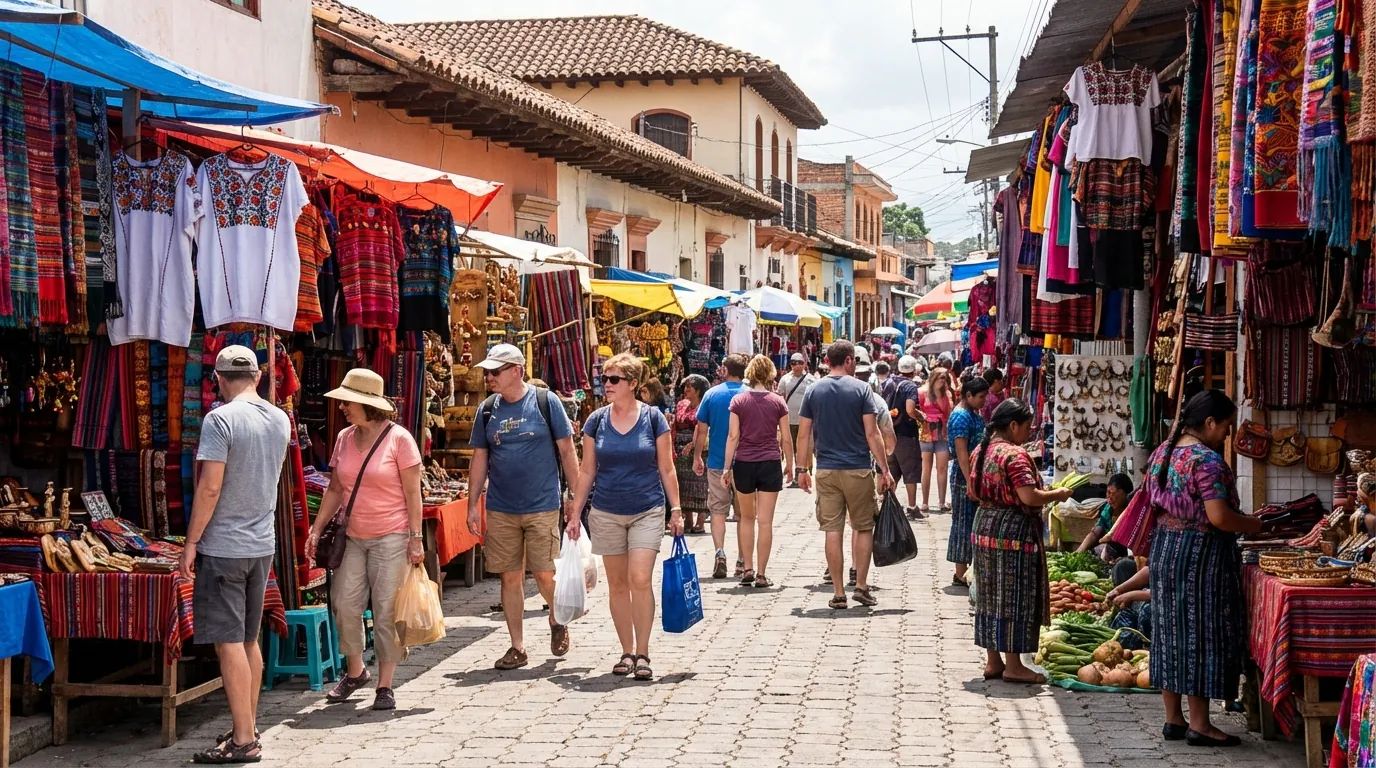
The main artery is Calle Santander, a long pedestrian-friendly street running from the main road down to the lakeshore. It’s lined with shops selling textiles, jade jewelry, and souvenirs, plus restaurants, tour agencies, and hotels. It has a distinctly touristy feel — hawkers will call out to you, “Amigo! Best price!” — which can be charming or annoying depending on your tolerance.
Beyond Calle Santander, Pana has a genuine Kaqchikel Maya community and a surprisingly large permanent expat population (many American and European retirees). There are residential neighborhoods, local markets, and a real-town feel once you escape the tourist strip.
The lakefront in Pana is its weakest point, honestly. Unlike the clear waters of San Marcos, Pana’s shoreline can be murky and is less appealing for swimming. The best lake views are from restaurants and hotels slightly uphill.
Accommodation
Pana has the broadest range of accommodation quality on the lake, from backpacker hostels to proper hotels with pools and room service:
- Dorm beds: $8–12/night. Fewer hostel options than San Pedro, but they exist.
- Budget hotels: $20–35/night for basic private rooms with hot water.
- Mid-range hotels: $40–80/night for comfortable rooms, often with pools and gardens.
- Upscale options: $80–200/night for boutique hotels and lakeside resorts. Pana has the most “proper” hotels on the lake.
- Long-term rentals: Apartments for $300–600/month. More expensive than San Pedro.
Food Scene
Pana has the most restaurants of any town on the lake, and the biggest range:
- Local food: The market area has excellent cheap comedores. Set lunches for Q15–20.
- International: Everything from sushi to steaks to Uruguayan empanadas. Quality varies but the best spots are genuinely good.
- Upscale dining: Pana is the only town where you’ll find proper “nice” restaurants — white tablecloths, wine lists, the works. Several lakeside restaurants serve excellent meals in the $15–25 range.
- Fast food & comfort: If you’re craving something familiar, Pana has the closest thing to Western-style fast food (Pollo Campero, bakeries, ice cream shops).
- Supermarkets: Pana has actual supermarkets where you can buy groceries — a luxury not available in smaller towns.
Nightlife
Pana has a modest nightlife scene — better than San Marcos (not hard) but well behind San Pedro:
- A handful of bars along Calle Santander, some with live music
- A couple of clubs that get going on weekends
- The crowd tends to be older and more mixed (tourists, expats, Guatemalans from the city)
- Things quiet down by midnight on most nights
It’s fine for a drink, but nobody chooses Pana for its nightlife.
Activities
- Shopping: Pana is the best place to buy Guatemalan textiles, jade, and crafts. The market and Calle Santander offer endless options.
- Day trips: Most lake tours and shuttle services operate from Pana, making it the best base for day-tripping to other towns.
- Reserva Natural Atitlán: A nature reserve just outside town with hanging bridges, a butterfly garden, waterfalls, and zip-lines. Great for families.
- Boat tours: Full-day tours visiting multiple towns depart from Pana’s main dock.
- Spanish schools: Available, though less common (and slightly pricier) than in San Pedro.
- Cultural museums: A couple of small but interesting museums covering Maya history and local culture.
Internet & Coworking
Pana has decent internet — better than San Marcos, comparable to San Pedro:
- Several cafés with reliable WiFi
- Hotels generally have decent connections
- No major coworking spaces, but some cafés are nomad-friendly
- Mobile data coverage is the best on the lake
Costs
- Budget traveler: $25–35/day (dorm or cheap hotel, market food, walking around)
- Mid-range: $40–65/day (nice hotel, restaurant meals, activities)
- Comfortable: $65–120/day (boutique hotel, fine dining, tours)
Pana is the most expensive of the three main towns, particularly for accommodation. Food can be cheap if you eat at the market, but the tourist-strip restaurants charge a premium.
Pros & Cons of Panajachel
✅ Pros:
- Best infrastructure and amenities (ATMs, pharmacies, supermarkets)
- Easiest access — direct shuttles from Antigua and Guatemala City
- Broadest range of accommodation (budget to luxury)
- Most restaurants and shops
- Best for families with children
- Good base for day trips to other towns
- Most ATMs and banking options
❌ Cons:
- Most touristy and commercialized town on the lake
- Aggressive vendors on Calle Santander
- Lakefront isn’t great for swimming
- Less authentic “lake vibe” — feels more like a tourist town
- Higher prices, especially on the tourist strip
- Traffic and noise (actual cars and tuk-tuks everywhere)
- The backpacker community is thinner — harder to meet long-term travelers
Other Lake Atitlán Towns Worth Knowing
The three towns above get most of the attention, but Lake Atitlán has several other communities worth mentioning. Here’s the quick version:
San Juan La Laguna
Just 10 minutes from San Pedro by tuk-tuk, San Juan is San Pedro’s quieter, more artistic neighbor. Known for its painters’ cooperative and natural textile dyeing workshops, it’s a wonderful half-day visit and increasingly a destination in its own right.
- Vibe: Artistic, authentic, community-focused. Less touristy than San Pedro.
- Stay here if: You want San Pedro’s accessibility but more tranquility. Growing accommodation options.
- Best for: Art lovers, culture seekers, people who find San Pedro too hectic.
- Downsides: Very few restaurants, limited nightlife (basically none), fewer services.
Santa Cruz La Laguna
Accessible only by boat, Santa Cruz is a small, steep hillside village with stunning lake views and a handful of beautiful lakeside lodges.
- Vibe: Remote, peaceful, nature-focused. Feels like a hidden gem.
- Stay here if: You want to truly unplug. The lakeside lodges (like La Iguana Perdida) are legendary among backpackers for their family-dinner-style atmosphere.
- Best for: Hikers, nature lovers, people wanting a “real” escape.
- Downsides: Very few services, boat-access only, steep hills, limited food options.
Jaibalito
One of the most isolated and least touristed towns on the lake. Jaibalito (pronounced “hi-ba-LEE-to”) has no road access and only a handful of accommodation options.
- Vibe: Ultra-quiet, off-the-grid, residential expat community.
- Stay here if: You’ve been to the lake before, you want genuine solitude, and you’re comfortable with very basic infrastructure.
- Best for: Writers, meditators, anyone fleeing civilization.
- Downsides: Almost no restaurants or shops, boat-only access, can feel isolating.
Getting Around: Boat Connections Between Towns
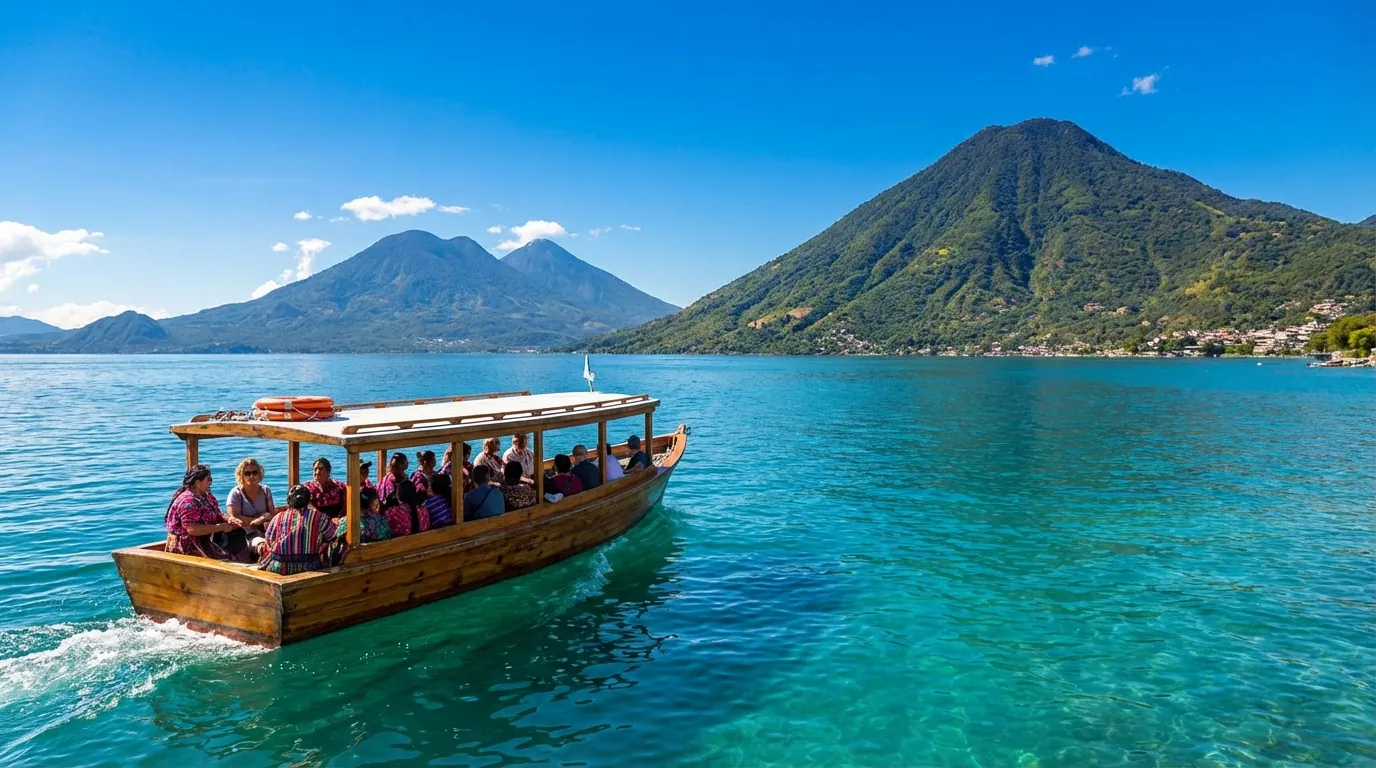
One of the best things about Lake Atitlán is how easy it is to hop between towns by boat. The lanchas (small motorboats) are the lake’s public transit system, and they’re cheap, frequent, and — let’s be honest — half the fun.
How Lanchas Work
There are two main routes:
- Panajachel → South Shore: Pana → Santa Cruz → Jaibalito → Tzununá → San Marcos → San Pablo → San Juan → San Pedro. (And reverse.)
- Direct lanchas: Pana ↔ San Pedro (nonstop, about 25 minutes).
Lanchas depart when full (usually every 15–20 minutes during daylight hours) from each town’s main dock. No reservations needed — just show up.
Prices (as of 2025)
| Route | Price (per person) | Duration |
|---|---|---|
| Panajachel → San Pedro (direct) | Q25 (~$3.25 USD) | 25 min |
| Panajachel → San Marcos | Q25 (~$3.25 USD) | 30 min (with stops) |
| San Pedro → San Marcos | Q15 (~$2 USD) | 10 min |
| San Pedro → San Juan | Q10 (~$1.25 USD) | 5 min |
| Any short hop (adjacent towns) | Q10–15 | 5–10 min |
Important Tips
- Last boats: The last lanchas typically run around 5:00–5:30 PM. After that, you’ll need a private boat (much more expensive, Q150–300+). Don’t miss the last boat!
- Rough water: The lake gets choppy in the afternoons (the xocomil wind). Morning crossings are smoother. If you’re prone to seasickness, go early.
- Luggage: Lanchas can handle backpacks, but oversized luggage is tricky. Boats sit low in the water.
- Life jackets: Available on most boats. Wear one — the lake is deep and cold underneath the surface.
- Private boats: You can hire a private lancha for Q150–400 depending on distance. Useful for groups or late departures.
The bottom line: boat connections make it easy to stay in one town and visit others as day trips. You don’t have to commit to just one place — but having a base and exploring from there is the smart play.
Detailed Budget Comparison
Let’s put real numbers on what a week looks like in each town. These are realistic estimates for 2025, assuming a mid-range traveler (private room, eating out most meals, doing some activities).
Weekly Budget Breakdown (Mid-Range Traveler)
| Expense | San Pedro | San Marcos | Panajachel |
|---|---|---|---|
| Accommodation (7 nights, private room) | $140 | $210 | $245 |
| Food (3 meals/day, mix of local & restaurants) | $84 | $105 | $105 |
| Coffee / drinks | $21 | $28 | $25 |
| Activities (2–3 per week) | $35 | $50 | $40 |
| Boat transport | $10 | $15 | $10 |
| Nightlife / social | $25 | $10 | $20 |
| Weekly Total | $315 | $418 | $445 |
| Daily Average | $45 | $60 | $64 |
Weekly Budget Breakdown (Backpacker)
| Expense | San Pedro | San Marcos | Panajachel |
|---|---|---|---|
| Accommodation (7 nights, dorm bed) | $42 | $63 | $63 |
| Food (cheap eats & cooking) | $42 | $56 | $49 |
| Coffee | $10 | $14 | $12 |
| Activities (free + 1 paid) | $15 | $15 | $15 |
| Transport | $5 | $10 | $5 |
| Weekly Total | $114 | $158 | $144 |
| Daily Average | $16 | $23 | $21 |
The takeaway: San Pedro is the clear winner on value. San Marcos offers a premium experience at premium prices. Pana falls in between but edges higher due to accommodation costs.
Which Town is Right for You? The Decision Guide
Enough analysis — let’s make this personal. Find your traveler type below and I’ll tell you where to go.
🎒 The Backpacker
Your town: San Pedro La Laguna
No contest. Cheapest dorms, best social scene, most activities, easiest to meet people. San Pedro was basically built for backpackers. Check into Sababa Hostel, join the bar crawl on Tuesday, hike Indian Nose on Thursday, learn Spanish in between. You’ll extend your stay — everyone does.
💻 The Digital Nomad
Your town: San Pedro La Laguna
Best WiFi, most coworking options, cheapest long-term rentals, and a growing nomad community. You can get a furnished apartment for $250/month, work from cafés during the day, and have a social life at night. The total monthly burn of $500–800 makes it one of the best-value nomad bases in the Americas.
🧘 The Wellness Seeker
Your town: San Marcos La Laguna
If yoga, meditation, holistic healing, and spiritual exploration are your priorities, San Marcos is your place. The concentration of retreats, teachers, and practitioners is extraordinary for such a small town. Book a week-long retreat or just drop into daily classes and ceremonies. For retreat recommendations, see our yoga and wellness guide.
💑 The Couple
Your town: San Marcos or San Pedro
Depends on what kind of couple you are. Romantic and nature-loving? San Marcos — the peaceful setting, beautiful lake swimming, and intimate restaurants are perfect for couples. Adventurous and social? San Pedro — more activities, better food variety, and enough nightlife to keep things fun. Budget-conscious couples should lean San Pedro.
👨👩👧👦 The Family
Your town: Panajachel
Pana’s infrastructure makes it the most practical for families: proper hotels with hot water, supermarkets for supplies, a nature reserve with kid-friendly activities, and easy road access (no need to carry strollers onto lanchas). The Reserva Natural Atitlán with its hanging bridges and butterfly garden is a hit with kids.
🎉 The Party Traveler
Your town: San Pedro La Laguna
It’s the only real option. Tuesday and Saturday nights at Sublime and D’Noz, pre-games at hostel bars, cheap drinks, and a revolving cast of backpackers ready to have fun. It’s not Ibiza, but it’s as close as you’ll get on a Guatemalan lake at 1,500 meters elevation.
🌿 The “Off the Beaten Path” Seeker
Your town: Santa Cruz or Jaibalito
If the three main towns sound too established for you, go smaller. Santa Cruz has legendary backpacker lodges and the start of some great hiking trails. Jaibalito is as off-grid as it gets while still having a roof over your head. Both are boat-access only, which adds to the adventure.
📸 The Short-Tripper (2–3 days)
Your base: Panajachel or San Pedro
If you only have a few days, base in Pana for convenience (easiest shuttle connections) or San Pedro for more character. Take day boats to San Marcos and San Juan. You’ll get a taste of the lake’s diversity without committing to one vibe.
🎨 The Culture & Art Lover
Your town: San Juan La Laguna (with a San Pedro base)
San Juan’s art cooperatives and textile workshops are the most authentic cultural experiences on the lake. Stay in nearby San Pedro for better accommodation and food, and visit San Juan by tuk-tuk whenever you want. Best of both worlds.
Frequently Asked Questions
Which town on Lake Atitlán is cheapest?
San Pedro La Laguna is the most affordable town for travelers. Dorm beds start at $5, local meals cost $2–3, and you can live comfortably on $15–20/day as a backpacker. It’s also the best value for long-term stays, with monthly apartment rentals from $200.
Is San Pedro or Panajachel better for first-time visitors?
It depends on your style. Panajachel is easier logistically — it has better road connections, more ATMs, and familiar amenities. But San Pedro gives you a much better feel for what makes Lake Atitlán special. If you’re a confident traveler, go straight to San Pedro. If you prefer an easy landing spot, start in Pana and take a boat to San Pedro the next day.
Can I visit all three towns in one day?
Technically yes, but it’s rushed. A better plan is to base in one town and make half-day trips to the others by boat. San Pedro is the best central base since it’s a quick boat ride to both San Marcos (10 min) and Panajachel (25 min).
Is Lake Atitlán safe?
Generally, yes. All three main towns are safe for tourists. Use normal precautions: don’t walk alone on isolated paths at night, keep valuables secure, and be aware of your surroundings. The most common issues are petty theft (especially in Pana’s tourist areas) and occasional overly-persistent vendors. Violent crime against tourists is rare.
Where should digital nomads stay on Lake Atitlán?
San Pedro La Laguna is the clear winner for remote workers. It has the best WiFi infrastructure, emerging coworking spaces, the cheapest long-term rentals, and a solid community of fellow nomads. Check out our San Pedro guide for more details on the nomad scene.
How do I get from Antigua to Lake Atitlán?
Tourist shuttles run daily from Antigua to Panajachel (3–3.5 hours, about $10–15 USD). From Pana, take a lancha to your final destination. Some shuttles go directly to San Pedro via the road (4–5 hours) — check with your shuttle company. Chicken buses are cheaper ($3–5) but slower and less comfortable.
What’s the best time of year to visit Lake Atitlán?
The dry season (November–April) offers the best weather: sunny mornings, clear skies, and calm lake waters. The rainy season (May–October) brings afternoon downpours but is greener, quieter, and cheaper. December–February is peak tourist season.
Is San Marcos worth visiting if I’m not into yoga or spirituality?
Yes! Even if you skip the cacao ceremonies, San Marcos is worth a visit for the beautiful lake swimming at Cerro Tzankujil, the peaceful atmosphere, and the pretty walking paths. It makes a great half-day trip from San Pedro — take the morning boat, swim, have lunch, and come back.
Can I use credit cards around the lake?
Some tourist-oriented restaurants and hotels accept cards, but Lake Atitlán is predominantly a cash economy. Bring enough Guatemalan quetzales with you. ATMs are available in Panajachel (most reliable) and San Pedro (limited). San Marcos has no ATMs at all.
How long should I spend at Lake Atitlán?
At minimum, 3–4 days to get a taste. A week lets you settle in and explore multiple towns. Many travelers plan 3 days and end up staying 2 weeks — the lake has a reputation for trapping people (in the best way). If you’re a digital nomad, a month or more is common.
Final Verdict: San Pedro vs San Marcos vs Panajachel
Let me make it simple:
- Choose San Pedro if you want the best value, the most social scene, reliable internet, and the widest range of activities. It’s the best all-around base for most travelers, and it’s where you’ll find places like Sababa Hostel that embody the perfect balance of social and chill.
- Choose San Marcos if wellness, peace, and spiritual exploration are your priorities and you don’t mind paying a bit more for a quieter, more introspective experience.
- Choose Panajachel if you need modern amenities, are traveling with family, or want the easiest logistics as a base for day trips.
But here’s my real advice: don’t overthink it. The beauty of Lake Atitlán is that the towns are so close together that you can try one, and if it’s not your vibe, hop on a lancha and be somewhere completely different in 15 minutes. Start somewhere, feel it out, and let the lake tell you where you belong.
That’s what most people do. And that’s what makes this place magic.
Planning your trip to Lake Atitlán? Check out our other guides: