
The Complete Guide to Guatemalan Coffee: From Farm to Cup
The Complete Guide to Guatemalan Coffee: From Farm to Cup
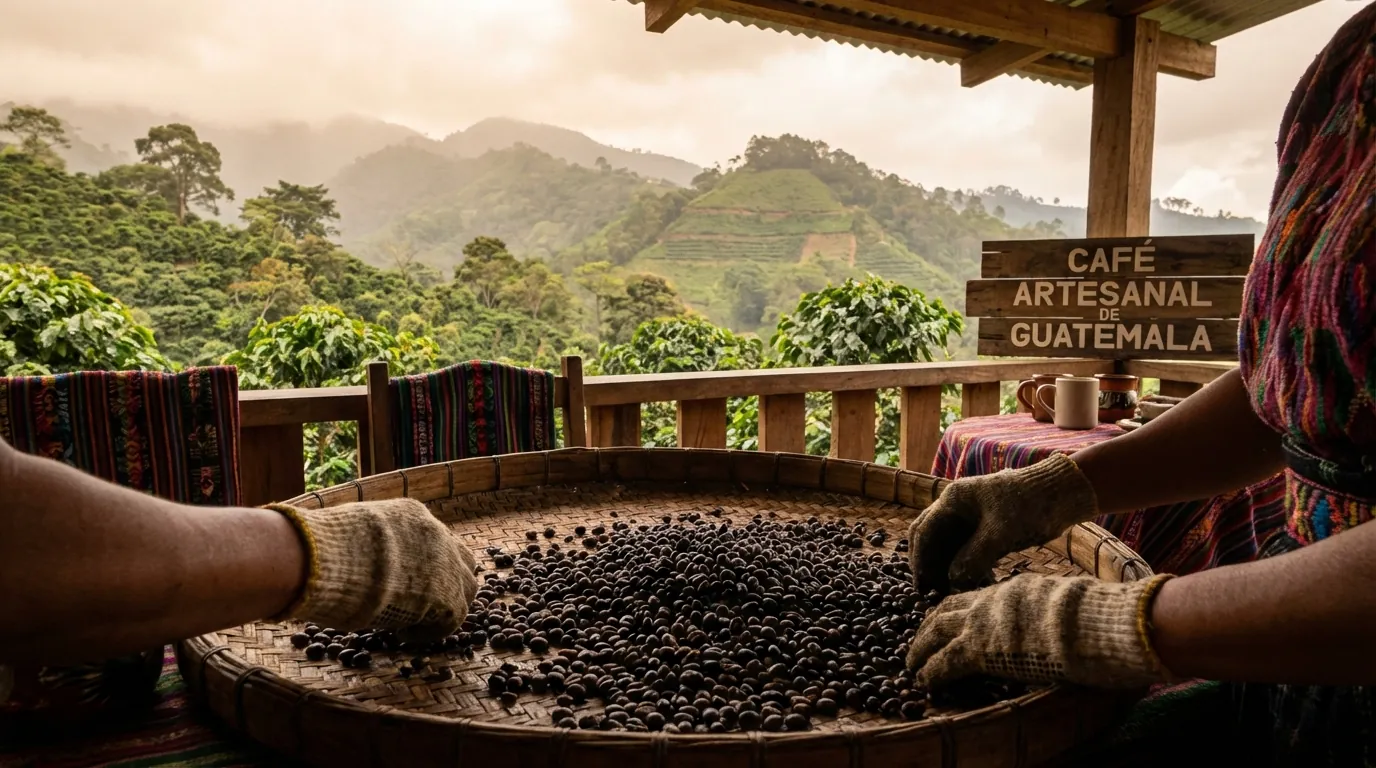
Guatemala produces some of the world’s finest coffee, and the country’s diverse microclimates create a remarkable range of flavor profiles that coffee connoisseurs travel thousands of miles to experience. From the volcanic soils of Antigua to the misty highlands of Huehuetenango, each coffee-growing region tells a unique story through its beans.
This comprehensive guide explores Guatemala’s coffee heritage, its major growing regions, and how you can experience the journey from cherry to cup during your visit.
A Brief History of Guatemalan Coffee
Coffee first arrived in Guatemala in the mid-18th century, brought by Jesuit missionaries. By the 1850s, it had become the country’s primary export crop, a position it held for over a century. The industry transformed Guatemala’s economy and landscape, with vast fincas (farms) established across the highland regions.
Today, Guatemala is the 10th largest coffee producer globally and consistently ranks among the top producers of specialty-grade coffee. The country’s eight distinct coffee-growing regions are recognized by the Asociación Nacional del Café (Anacafé) for their unique characteristics.
Guatemala’s Eight Coffee Regions
1. Antigua
Perhaps the most famous region, Antigua coffee is grown in the Panchoy Valley surrounded by three volcanoes. The volcanic soil, consistent sunshine, and cool nights produce beans with a full body, rich chocolate notes, and subtle spice. Antigua coffees are protected by a denomination of origin, similar to wine appellations.
2. Huehuetenango
The highest-grown coffees in Guatemala come from Huehuetenango, reaching altitudes above 2,000 meters. These beans are prized for their complex acidity, wine-like qualities, and fruity notes ranging from stone fruit to tropical flavors. Many specialty roasters consider Huehuetenango their favorite Guatemalan origin.
3. Atitlán
Grown on the slopes surrounding Lake Atitlán, these coffees benefit from the unique microclimate created by the lake and surrounding volcanoes. Atitlán coffees typically feature a bright citrus acidity, nutty undertones, and a clean chocolate finish. The organic matter from volcanic eruptions enriches the soil with minerals that contribute to the coffee’s distinctive character.
4. Cobán
The rainforest region of Alta Verapaz produces coffees under a nearly permanent cloud cover. The constant moisture and shade create beans with a unique flavor profile — medium body, mild acidity, and distinctive fruity-wine qualities. Cobán coffees are often used in premium blends for their balancing characteristics.
5. San Marcos
The warmest and most humid coffee region, San Marcos receives the most rainfall in Guatemala. Coffees here develop early and feature a pronounced floral aroma with a delicate, light body. The quick maturation in warm conditions gives these beans their characteristic brightness.
6. Acatenango
Situated in the valley between the Acatenango and Fuego volcanoes, this region benefits from exceptional soil fertility and dramatic temperature variations. Coffees from Acatenango are well-balanced with sweet caramel notes, moderate acidity, and a creamy body.
7. Fraijanes Plateau
Located near Guatemala City, the Fraijanes Plateau produces coffees at altitudes between 1,400-1,800 meters on pumice-rich volcanic soil. These beans are known for their sharp acidity, full body, and aromatic complexity with hints of brown sugar and dried fruit.
8. Nuevo Oriente
The eastern region of Nuevo Oriente has gained recognition in recent years for its distinctive coffees grown on metamorphic rock soil — the only non-volcanic coffee region in Guatemala. The resulting cups feature a balanced, chocolatey profile with a smooth, round body and pleasant sweetness.
Coffee Tourism Experiences
Farm Tours (Finca Visits)
Dozens of working coffee farms across Guatemala welcome visitors for tours that range from a few hours to multi-day stays. The best tours cover the entire production process: walking through coffee groves, observing cherry picking during harvest season (November to March), watching the wet milling process, and participating in cupping sessions.
Notable Fincas Open to Visitors
- Finca Filadelfia, Antigua: One of the most professional tour operations, offering multiple tour levels from basic to expert cupping experiences
- Finca El Injerto, Huehuetenango: A Cup of Excellence multi-winner with stunning mountain scenery
- De la Gente Cooperative, San Miguel Escobar: Community-based tourism supporting small-scale farmers
- Finca Lerida, Boquete: Combines coffee production with exceptional birdwatching in cloud forest
Coffee Cupping Classes
Several specialty coffee shops in Antigua and Guatemala City offer professional cupping classes where you learn to evaluate coffee like an expert. These sessions teach you to identify aromas, assess acidity, body, and sweetness, and understand the grading system used by professional buyers.
How to Buy Guatemalan Coffee
The best place to buy coffee is directly from producers or at specialty shops in Antigua and Guatemala City. Look for single-origin beans with the region and altitude clearly marked on the packaging. Avoid pre-ground tourist market coffee, which is often low-grade and may not even be 100% Guatemalan.
What the Labels Mean
- SHB (Strictly Hard Bean): Grown above 1,370 meters — the highest quality designation
- HB (Hard Bean): Grown between 1,220-1,370 meters — high quality
- Single Origin: From a specific farm or cooperative
- Micro-lot: Small batch from a specific area of a farm, often the highest quality
The Future of Guatemalan Coffee
Climate change poses a significant challenge to Guatemala’s coffee industry, with rising temperatures pushing viable growing zones higher up the mountains. Many producers are investing in shade-grown practices, climate-resistant varieties, and sustainable farming methods to protect their livelihoods and the environment.
The specialty coffee movement has been a bright spot, with increasing demand for high-quality Guatemalan beans commanding premium prices. Direct trade relationships between farmers and international roasters are helping ensure fair compensation and encouraging quality improvements across the industry.
Combining Coffee with Your Lake Atitlán Visit
Lake Atitlán’s coffee-growing slopes make it easy to combine a coffee experience with your lakeside vacation. Several fincas around the lake offer morning tours that have you back by the pool in time for lunch. It’s the perfect way to appreciate both the cultural heritage and natural beauty that make Guatemala such a remarkable destination.
Whether you’re a coffee aficionado or simply curious about where your morning cup comes from, Guatemala’s coffee country offers an enriching journey that engages all the senses. Plan your coffee trail today and discover why Guatemalan beans are among the world’s most celebrated.