
Turtle Release in El Paredón: When & Where to See Baby Sea Turtles
Turtle Release in El Paredón: When & Where to See Baby Sea Turtles
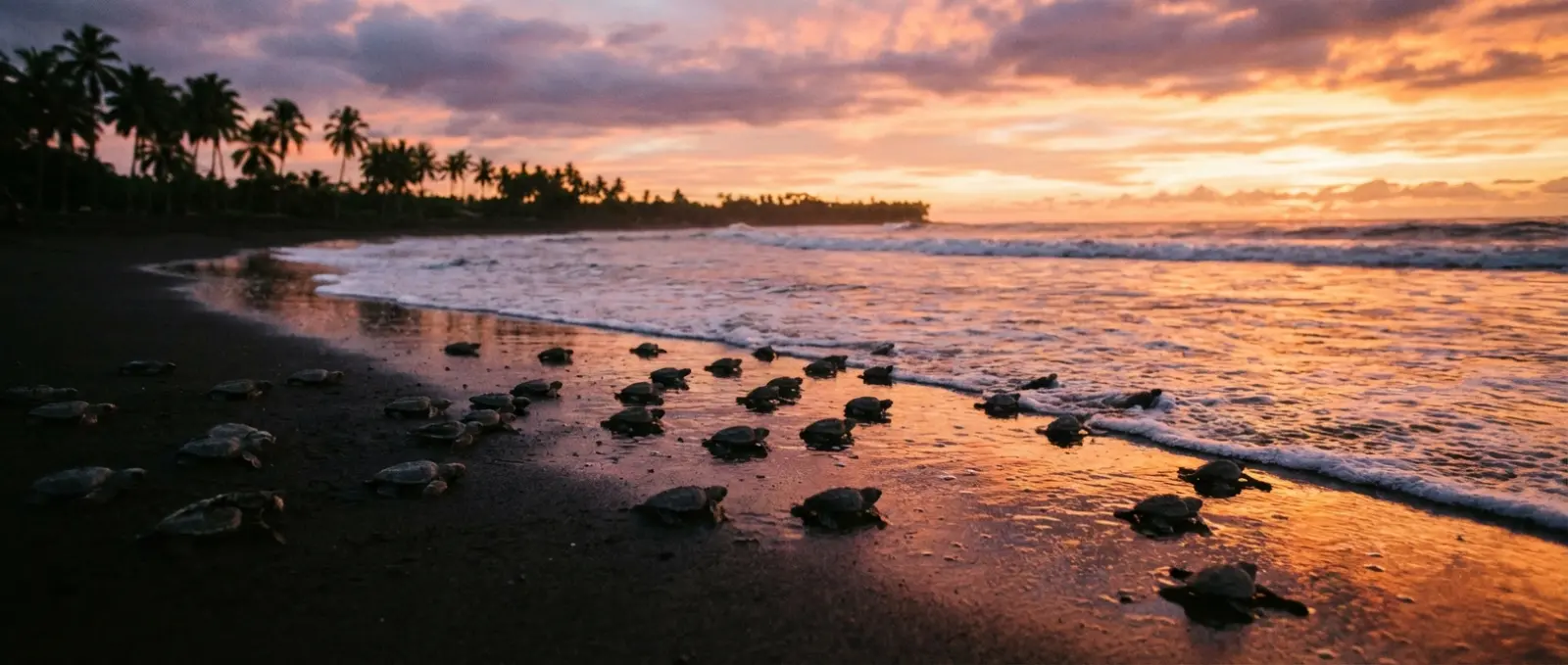
Few experiences in Guatemala match the magic of watching tiny sea turtles scramble across black volcanic sand toward the Pacific Ocean. El Paredón, a laid-back surf village on Guatemala’s Pacific coast, offers visitors the chance to participate in turtle releases during nesting season. This authentic wildlife encounter connects travelers with vital conservation efforts while creating memories that last a lifetime.
Sea Turtle Nesting Season in El Paredón
Guatemala’s Pacific coast serves as an important nesting ground for olive ridley sea turtles, the most abundant sea turtle species in the world. The nesting season typically runs from July through December, with peak activity occurring between August and November. During this period, female turtles come ashore at night to lay their eggs in the warm volcanic sand.
Local conservation programs collect eggs from nests that would otherwise face threats from predators and poaching. These eggs are carefully relocated to protected hatcheries where they incubate for approximately 45 to 60 days before the tiny hatchlings emerge.
Where Turtle Releases Take Place
Turtle releases in El Paredón happen directly on the beach, usually in the late afternoon or early evening hours. Several local organizations and eco-lodges coordinate release events during nesting season. The main beach in El Paredón and nearby stretches of coastline serve as release sites.
Many accommodations in the area partner with local conservation projects, making it easy for visitors to participate. The village’s small size means you’re never far from where the action happens.
What to Expect During a Turtle Release
A typical turtle release experience includes:
- A brief educational talk about sea turtle biology and conservation challenges
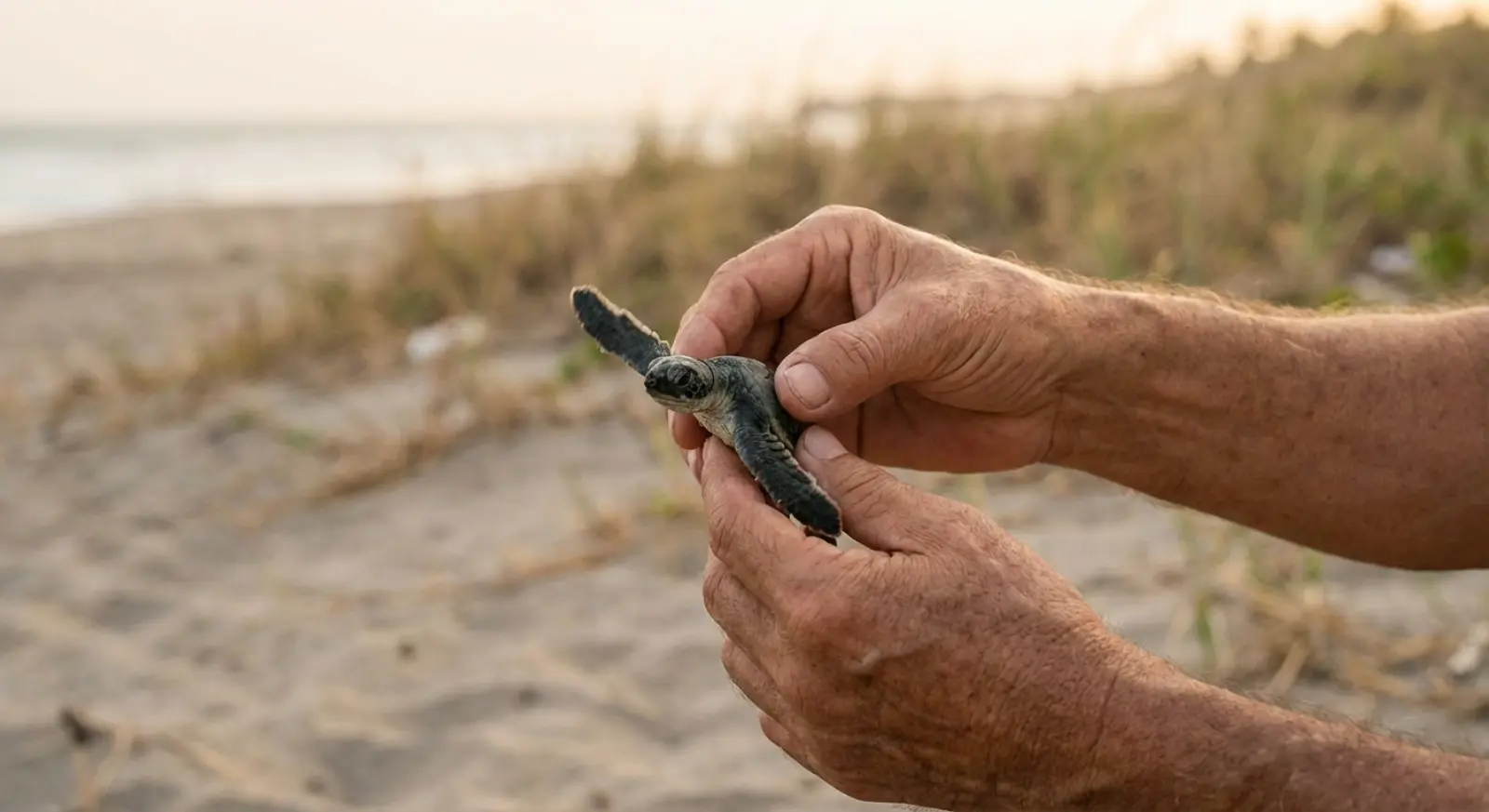
- The opportunity to hold a baby turtle before release (handled properly to avoid harming the hatchling)
- Watching dozens or hundreds of tiny turtles make their way across the sand to the ocean
- Learning about local conservation efforts and how to support them
Releases usually take place at sunset, creating beautiful photo opportunities as the hatchlings meet the waves for the first time. The entire experience typically lasts about an hour.
Practical Tips for Turtle Release Visitors
To make the most of your turtle release experience, keep these tips in mind:
- Plan your visit during nesting season – July through December offers the best chances, with August to November being peak months
- Bring cash – El Paredón has no ATMs, and many conservation programs accept donations
- Wear appropriate clothing – Light, breathable fabrics work best in the hot, humid coastal climate
- Apply sunscreen and bug repellent – The tropical coast demands both, especially at dusk
- Follow all instructions from conservation staff – Proper handling protects the delicate hatchlings
- Avoid using flash photography – Bright lights can disorient the turtles
Combining Turtle Releases with Other El Paredón Activities
El Paredón offers plenty to fill your days before the evening turtle release. The village is Guatemala’s premier surf destination, known for consistent beach breaks suitable for all skill levels. Morning sessions offer the best conditions with offshore winds and water temperatures around 26-28°C.
Beyond surfing, visitors can explore the mangrove channels by boat, enjoy fresh seafood from local fishermen, or simply relax on the black volcanic sand. The laid-back atmosphere makes it easy to settle into the slow coastal rhythm.
Conclusion
Witnessing a turtle release in El Paredón offers a profound connection to nature and marine conservation. The experience reminds us of our role in protecting these ancient creatures while providing an unforgettable highlight to any Guatemala trip. Whether you’re a dedicated wildlife enthusiast or simply seeking meaningful travel experiences, watching baby sea turtles begin their ocean journey is something truly special. Plan your visit during nesting season and become part of the effort to ensure these remarkable animals thrive for generations to come.