Ultimate Guide to Guatemala Tourism: Surf El Paredón & Discover Lake Atitlán in 2026
Why Guatemala is Central America's Rising Tourism Star in 2026
Guatemala has quietly emerged as one of Central America's most compelling destinations, offering an incredible diversity of experiences within a relatively compact country. From the Pacific Ocean's powerful surf breaks to the serene volcanic lakes of the highlands, Guatemala delivers adventure, culture, and natural beauty in equal measure. In 2026, improved infrastructure, sustainable tourism initiatives, and world-class accommodations have made this Mayan heartland more accessible than ever before.
What sets Guatemala apart is its authenticity. Unlike some over-touristed destinations, Guatemala retains its soul. You'll encounter genuine indigenous cultures, pristine natural environments, and warm hospitality that hasn't been commodified. Whether you're chasing perfect waves at El Paredón, exploring ancient Mayan ruins, or finding spiritual renewal at Lake Atitlán, Guatemala offers transformative experiences that stay with you long after you return home.
El Paredón: Guatemala's Premier Surf Destination
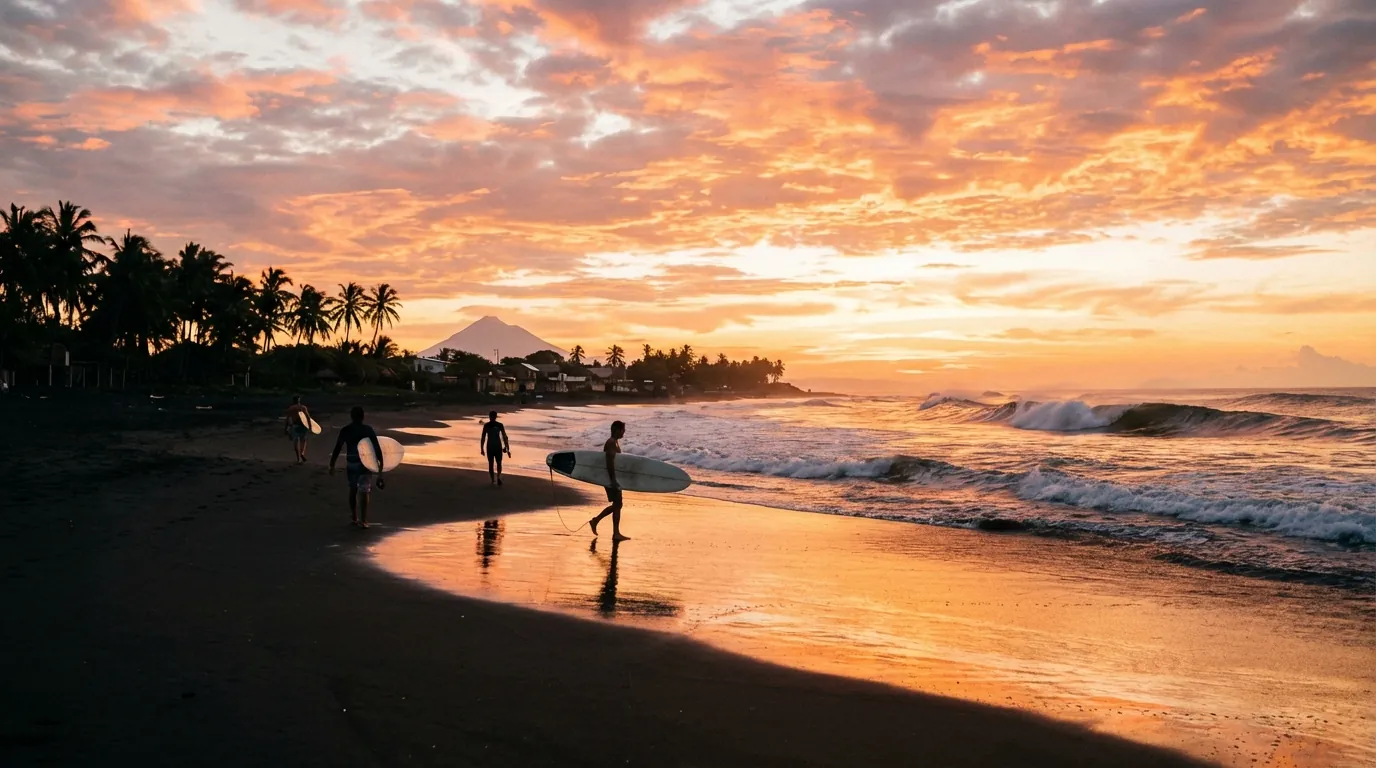
Located on Guatemala's Pacific coast, El Paredón has rapidly gained recognition as one of Central America's most consistent and exciting surf destinations. This volcanic black sand beach stretches for miles, offering both world-class waves and a laid-back atmosphere that's increasingly rare in the surf world.
The Surf Scene at El Paredón
El Paredón's main break is a powerful beach break that works year-round, with the most consistent waves arriving between March and September. The waves here can handle everything from beginner-friendly rollers to challenging overhead sets that demand respect and skill. What makes El Paredón special is its consistency – unlike many surf destinations that rely on specific swell directions or seasonal patterns, this stretch of coast delivers rideable waves nearly every day of the year.
The volcanic sand creates a unique surfing environment. While it can get hot underfoot during midday, it also means the water stays warm year-round, making it comfortable to surf in boardshorts or a thin wetsuit even during the coolest months. The contrast of black sand against the blue Pacific creates stunning visual backdrops for both surfing and photography.
Surf Schools and Board Rentals
El Paredón has developed an excellent infrastructure for surf education. Several well-established surf schools operate along the beach, offering lessons for all skill levels. Instructors are typically local Guatemalans who have grown up surfing these waves and understand the nuances of local conditions. Many speak English and Spanish, making lessons accessible to international visitors.
Board rental options range from soft-top beginners' boards to high-performance shortboards and longboards. Quality has improved significantly in recent years, with several shops now offering boards from recognized international brands. Prices remain very reasonable compared to traditional surf destinations like Costa Rica or Hawaii.
The Local Surf Community
One of El Paredón's greatest assets is its welcoming local surf community. Unlike some surf spots where locals can be territorial, El Paredón's surfers are known for their friendliness and willingness to share waves with visitors. This creates a positive atmosphere in the water that enhances the overall experience.
Local surfers have also become environmental stewards, organizing beach cleanups and advocating for coastal protection. Their efforts have helped maintain El Paredón's natural beauty despite increasing tourism pressure.
Beyond the Waves: El Paredón's Attractions
While surfing is the main draw, El Paredón offers several other activities that make it an appealing destination for non-surfers or rest days from the waves.
Mangrove Tours and Wildlife Watching
The mangrove channels behind El Paredón support incredible biodiversity. Guided boat tours navigate these waterways, offering opportunities to see caiman, iguanas, tropical birds, and occasionally sea turtles. The best time for wildlife viewing is early morning or late afternoon when animals are most active.
These tours also provide insight into the ecological importance of mangrove systems and conservation efforts to protect them. Many tour operators are local fishermen who have transitioned to eco-tourism, adding authentic cultural perspectives to the wildlife viewing experience.
Sea Turtle Conservation
El Paredón's beaches serve as nesting sites for olive ridley and leatherback sea turtles. During nesting season (roughly June through January), visitors can participate in conservation activities including nighttime nest protection patrols and morning hatchling releases. These programs are run by local conservation groups and provide meaningful ways to contribute to wildlife protection while creating unforgettable memories.
Fishing and Ocean Adventures
The waters off El Paredón offer excellent fishing opportunities. Sport fishing trips target species like mahi-mahi, yellowfin tuna, sailfish, and marlin. Local fishing guides know the best spots and seasonal patterns, significantly increasing your chances of success.
For a more cultural fishing experience, you can join local fishermen on traditional pangas (small boats) for early morning net fishing. This provides insight into traditional fishing methods and the daily lives of coastal communities.
Lake Atitlán: Guatemala's Crown Jewel
Considered one of the world's most beautiful lakes, Lake Atitlán sits in a volcanic caldera surrounded by three towering volcanoes: San Pedro, Tolimán, and Atitlán. The lake's deep blue waters reflect the changing light throughout the day, creating a mystical atmosphere that has attracted visitors, artists, and spiritual seekers for decades.
The Indigenous Villages Around the Lake
Twelve indigenous Maya communities surround Lake Atitlán, each with its own distinct character, dialect, and traditional dress. These villages offer authentic cultural experiences that provide deep insights into Guatemala's indigenous heritage.
San Pedro La Laguna has become a backpacker hub while maintaining its indigenous character. The town offers Spanish language schools, yoga retreats, and a vibrant nightlife scene. Despite its popularity with international travelers, San Pedro has preserved its Maya identity, with traditional markets and indigenous families continuing their ancestral ways of life.
Santiago Atitlán is the largest lakeside community and home to the worship of Maximón, a folk saint who represents a syncretic blend of Maya and Catholic beliefs. Visiting Santiago provides an opportunity to witness living indigenous traditions and purchase authentic handicrafts directly from artisans.
San Juan La Laguna is renowned for its women's weaving cooperatives and natural dye workshops. Here you can learn about traditional textile production and see how colors are extracted from plants, flowers, and insects using techniques passed down through generations.
Volcano Hiking and Adventure Activities
The volcanoes surrounding Lake Atitlán offer some of Guatemala's best hiking experiences. Each volcano provides different challenges and rewards:
Volcán San Pedro is the most popular hike, offering a challenging but achievable day trip with spectacular panoramic views of the lake basin from its 3,020-meter summit. The trail passes through cloud forest ecosystems with unique flora and fauna.
Volcán Tolimán is more challenging and less crowded, requiring better physical condition but rewarding hikers with pristine views and a greater sense of accomplishment. The hike typically requires camping overnight near the summit.
Volcán Atitlán is the most challenging of the three and should only be attempted by experienced hikers with proper guides. The rewards include views across multiple lake basins and the satisfaction of conquering Guatemala's most imposing peak.
Lake Activities and Water Sports
Lake Atitlán's calm morning waters are perfect for kayaking and paddleboarding. Many accommodations provide complimentary kayaks, allowing guests to explore secluded coves and hidden beaches accessible only by water. The volcanic backdrop creates a stunning setting for water activities that you won't find anywhere else in the world.
Swimming in Lake Atitlán is a unique experience. The water is cool and refreshing, fed by underground springs and volcanic activity. Several swimming areas around the lake offer gradual entries and stunning mountain views.
Fishing on Lake Atitlán combines recreation with cultural exchange. Local fishing guides share traditional techniques and stories about the lake's spiritual significance in Maya cosmology. The lake supports several fish species, including introduced bass and native species that have adapted to the volcanic environment.
The Spiritual Side of Lake Atitlán
Lake Atitlán has long been considered a sacred place by the Maya, and many visitors report feeling a special energy here. The combination of high altitude, pristine natural beauty, and indigenous spiritual traditions creates an environment conducive to reflection and personal growth.
Yoga and Wellness Retreats
The lake has become a destination for yoga practitioners and wellness seekers from around the world. Numerous retreat centers offer everything from weekend workshops to month-long teacher training programs. The high altitude and clean mountain air enhance physical practice, while the serene lake setting supports meditation and spiritual work.
Many retreats incorporate indigenous wisdom traditions, offering participants the opportunity to learn from Maya spiritual leaders and participate in traditional ceremonies (always with proper respect and permission).
Traditional Maya Spiritual Practices
For those interested in indigenous spirituality, several communities around the lake offer ceremonial experiences led by authentic Maya spiritual guides. These might include fire ceremonies, temazcal (sweat lodge) experiences, or consultations with traditional healers.
It's important to approach these experiences with respect and cultural sensitivity. Genuine ceremonies are spiritual practices, not tourist entertainment, and should be entered with appropriate reverence and openness.
Getting Around Guatemala: Transportation Tips for 2026
Guatemala's transportation infrastructure has improved significantly, making it easier to experience multiple destinations during a single visit.
International Arrival
Most international visitors arrive at La Aurora International Airport in Guatemala City. From there, several options connect you to major tourist destinations:
**Shuttle services** are the most popular option for tourists, offering comfortable, air-conditioned transportation directly to destinations like Antigua, Lake Atitlán, or even El Paredón. While more expensive than public transportation, shuttles are reliable, safe, and time-efficient.
**Rental cars** provide the most flexibility for exploring multiple destinations. Guatemala's main highways are in good condition, and having your own transportation allows you to discover off-the-beaten-path locations and travel at your own pace.
**Public buses** are the most economical option and provide authentic cultural experiences. However, they require more time and patience, and some routes to tourist destinations may involve multiple transfers.
Getting to El Paredón
El Paredón is approximately 3.5 hours from Guatemala City and 2.5 hours from Antigua. The most convenient option is arranging private transportation through your accommodation or a local tour operator. Some hostels and surf camps offer pickup services that can be arranged in advance.
For budget travelers, you can take a bus from Guatemala City to Escuintla, then transfer to a bus heading to Monterrico or Iztapa, getting off at the El Paredón turnoff and taking a tuk-tuk or taxi for the final stretch to the beach.
Reaching Lake Atitlán
Lake Atitlán is approximately 2.5 hours from Guatemala City via Panajachel, the lake's main transportation hub. From Panajachel, public boats connect all the lakeside villages, operating throughout the day with more frequent service in the morning.
Private boat transfers can be arranged for direct transportation to specific villages, which is particularly convenient if you're staying in more remote locations like Santa Cruz or Jaibalito.
Where to Stay: Accommodation Options Across Guatemala
Guatemala's accommodation scene has evolved dramatically, now offering options for every budget and travel style.
El Paredón Accommodations
**Budget Options:** Several backpacker hostels offer dormitory-style accommodation with shared facilities. Many include breakfast and provide a social atmosphere perfect for meeting fellow travelers and finding surf buddies.
**Mid-Range:** Boutique hotels and guesthouses provide private rooms with ensuite bathrooms, often including meal plans and guided activities. Many are owned and operated by local families, providing authentic cultural experiences.
**Luxury:** High-end resorts and vacation rentals offer premium amenities, gourmet dining, and personalized service. Some include private beach access, swimming pools, and exclusive surf instruction.
Lake Atitlán Lodging
**Budget Backpacker Scene:** San Pedro La Laguna offers the most budget-friendly options, with numerous hostels and cheap guesthouses catering to backpackers and Spanish language students.
**Boutique Hotels:** Villages like Santa Cruz and San Marcos offer charming boutique properties with unique architectural styles and personalized service. Many focus on wellness and spiritual retreats.
**Luxury Resorts:** Several world-class resorts around the lake provide five-star amenities while respecting local cultural and environmental sensitivities. These properties often feature indigenous design elements and employ local communities.
Food and Dining: Guatemala's Culinary Scene
Guatemalan cuisine is a delicious blend of indigenous Maya, Spanish colonial, and contemporary influences. The country's diverse microclimates produce excellent coffee, fresh tropical fruits, and unique ingredients found nowhere else.
Traditional Guatemalan Dishes
**Pepián** is considered Guatemala's national dish – a rich, complex stew featuring meat (usually chicken or beef) cooked with roasted seeds, spices, and vegetables. Each region has its own variation, and trying different versions is a culinary adventure.
**Kak'ik** is a traditional Maya turkey soup from the Alta Verapaz region, featuring achiote (annatto) and other indigenous spices. This dish provides insight into pre-Columbian cooking techniques that have survived centuries.
**Tamales** in Guatemala are often larger and more elaborate than Mexican versions, wrapped in banana leaves and featuring various fillings including turkey, chicken, pork, or vegetables.
Coffee Culture
Guatemala produces some of the world's finest coffee, and visiting coffee plantations is a highlight for many travelers. The high altitudes around Lake Atitlán and Antigua create ideal growing conditions for exceptional beans.
Many coffee farms offer tours that explain the entire process from cultivation to roasting, often including tastings of different varietals. Some farms also provide accommodation, allowing visitors to experience daily life on working plantations.
Street Food and Local Markets
Guatemala's markets and street food scene offer affordable ways to experience authentic flavors. Popular street foods include **elote loco** (corn served with mayonnaise, cheese, and chili), **garnachas** (fried tortillas with meat and salsa), and **rellenitos** (sweet plantain fritters filled with black beans).
Markets in places like Chichicastenango and Sololá combine food vendors with handicraft sellers, creating vibrant cultural experiences that engage all the senses.
Cultural Experiences: Understanding Guatemala's Heritage
Guatemala's cultural richness stems from its indigenous Maya majority and complex colonial history. Understanding this context enhances every aspect of your visit.
Maya Culture and Traditions
Guatemala is home to 22 different Maya groups, each with distinct languages, traditional dress, and customs. Unlike museum exhibits, these are living cultures that continue to evolve while maintaining their essential characteristics.
**Traditional Textiles:** Maya women create some of the world's most beautiful handwoven fabrics using techniques unchanged for centuries. Each village has distinct patterns and colors that identify the weaver's community. Learning about textile production provides insights into Maya worldview, social structure, and artistic traditions.
**Markets and Commerce:** Traditional markets remain central to Maya communities, serving social and ceremonial functions beyond simple commerce. Market days (usually once or twice per week in smaller communities) become community gatherings where news is shared, relationships are maintained, and cultural identity is reinforced.
Colonial Architecture and History
**Antigua Guatemala** served as the Spanish colonial capital and remains one of the Americas' best-preserved colonial cities. Walking through Antigua's cobblestone streets provides tangible connections to colonial history, with numerous churches, convents, and government buildings dating to the 16th and 17th centuries.
Many colonial buildings now house museums, restaurants, and hotels, allowing visitors to experience historical architecture while supporting contemporary local economy.
Language Learning Opportunities
Guatemala has become a popular destination for Spanish language learning, with schools in Antigua and around Lake Atitlán offering immersive programs. Many schools arrange homestays with local families, providing authentic cultural immersion alongside language instruction.
For those interested in indigenous languages, some communities offer basic instruction in Maya languages like K'iche' or Kaqchikel, providing unique insights into indigenous worldviews and philosophical concepts that don't translate directly to Spanish or English.
Adventure Activities Beyond Surfing and Lake Life
Guatemala's diverse geography supports numerous adventure activities for thrill-seekers and outdoor enthusiasts.
Active Volcano Exploration
**Volcán de Fuego** is one of Central America's most active volcanoes, providing spectacular (and safe) opportunities to observe volcanic activity. Guided hikes to viewpoints allow visitors to witness lava flows and explosive eruptions from secure distances.
**Volcán Pacaya** offers the unique experience of roasting marshmallows over volcanic heat while enjoying panoramic views across the central highlands.
Cave Exploration and Underground Adventures
The limestone geology of northern Guatemala creates extensive cave systems. **Semuc Champey** features a series of turquoise pools formed by underground rivers, providing opportunities for swimming, cave exploration, and tubing adventures.
**Candelaria Caves** in the Verapaces region offer more serious spelunking experiences, with guided tours exploring underground chambers and rivers that were considered sacred by ancient Maya.
Wildlife and Jungle Experiences
**Tikal National Park** protects one of Guatemala's most important archaeological sites while preserving pristine jungle ecosystems. Early morning visits often include sightings of howler monkeys, spider monkeys, toucans, and occasionally jaguars.
**Biotopo del Quetzal** in the cloud forests of the Verapaces offers opportunities to see Guatemala's national bird, the resplendent quetzal, along with numerous other highland species.
Sustainable Tourism and Responsible Travel
As Guatemala's tourism industry grows, sustainable practices become increasingly important for preserving the natural and cultural heritage that makes the country so appealing.
Supporting Local Communities
**Community-Based Tourism:** Many indigenous communities have developed tourism initiatives that provide economic benefits while sharing their cultures authentically. Participating in these programs ensures your tourism spending directly benefits local families.
**Fair Trade Shopping:** When purchasing textiles and handicrafts, buying directly from artisans or certified fair-trade cooperatives ensures creators receive fair compensation for their work.
Environmental Conservation
**Water Conservation:** Lake Atitlán faces environmental challenges from pollution and development pressure. Choosing accommodations with sustainable practices and being mindful of water usage helps protect this precious ecosystem.
**Marine Conservation:** When visiting El Paredón, participating in beach cleanups and supporting sea turtle conservation programs helps protect coastal environments for future generations.
Planning Your 2026 Guatemala Adventure
The best time to visit Guatemala depends on your priorities and preferred activities.
Dry Season (November - April)
This is peak tourist season, with minimal rainfall, clear skies, and optimal conditions for hiking and photography. However, it's also the most crowded and expensive time to visit.
**Pros:** Excellent weather, clear volcano views, ideal surf conditions, comfortable temperatures for hiking.
**Cons:** Higher prices, crowded attractions, dust in some areas, occasional strong winds on Lake Atitlán.
Wet Season (May - October)
The rainy season brings lush green landscapes, fewer tourists, and lower prices, but also daily afternoon thunderstorms and occasional access challenges to remote areas.
**Pros:** Lower prices, fewer crowds, spectacular green landscapes, great for coffee farm visits.
**Cons:** Daily rain (usually afternoon/evening), muddy hiking trails, occasional transportation delays, reduced visibility for volcano viewing.
Practical Planning Tips
**Duration:** Plan at least 7-10 days to experience both coastal and highland attractions meaningfully. Two weeks allows for a more relaxed pace and deeper cultural immersion.
**Budget:** Guatemala offers excellent value for money. Budget travelers can experience the country for $25-40 per day, while mid-range travelers should budget $50-80 daily. Luxury experiences are available but still more affordable than many international destinations.
**Health and Safety:** Guatemala is generally safe for tourists who exercise normal precautions. Stick to established tourist areas, avoid displaying expensive electronics or jewelry, and use reputable transportation services. No special vaccinations are required, but consider hepatitis A and typhoid vaccines as general travel precautions.
Conclusion: Why Guatemala Should Be Your 2026 Destination
Guatemala offers a rare combination of authentic culture, spectacular natural beauty, adventure opportunities, and affordable luxury that's increasingly difficult to find in our interconnected world. Whether you're seeking perfect waves at El Paredón, spiritual renewal at Lake Atitlán, or cultural immersion in indigenous Maya communities, Guatemala delivers transformative experiences that go far beyond typical tourist attractions.
The country's compact size means you can experience incredible diversity without spending half your vacation in transit. You can surf world-class waves in the morning and be watching sunset over volcanic peaks by evening. You can explore ancient Maya ruins and then learn about contemporary indigenous cultures that maintain living connections to their ancestral heritage.
Most importantly, Guatemala retains its authenticity. Tourism hasn't commodified the culture or overwhelmed the natural environment. When you visit Guatemala, you're not just seeing attractions – you're experiencing a country that welcomes visitors while remaining true to itself.
Start planning your 2026 Guatemala adventure today. Whether you're drawn by the surf, the spirituality, the culture, or simply the promise of authentic adventure, Guatemala is ready to exceed your expectations and provide memories that will last a lifetime.