
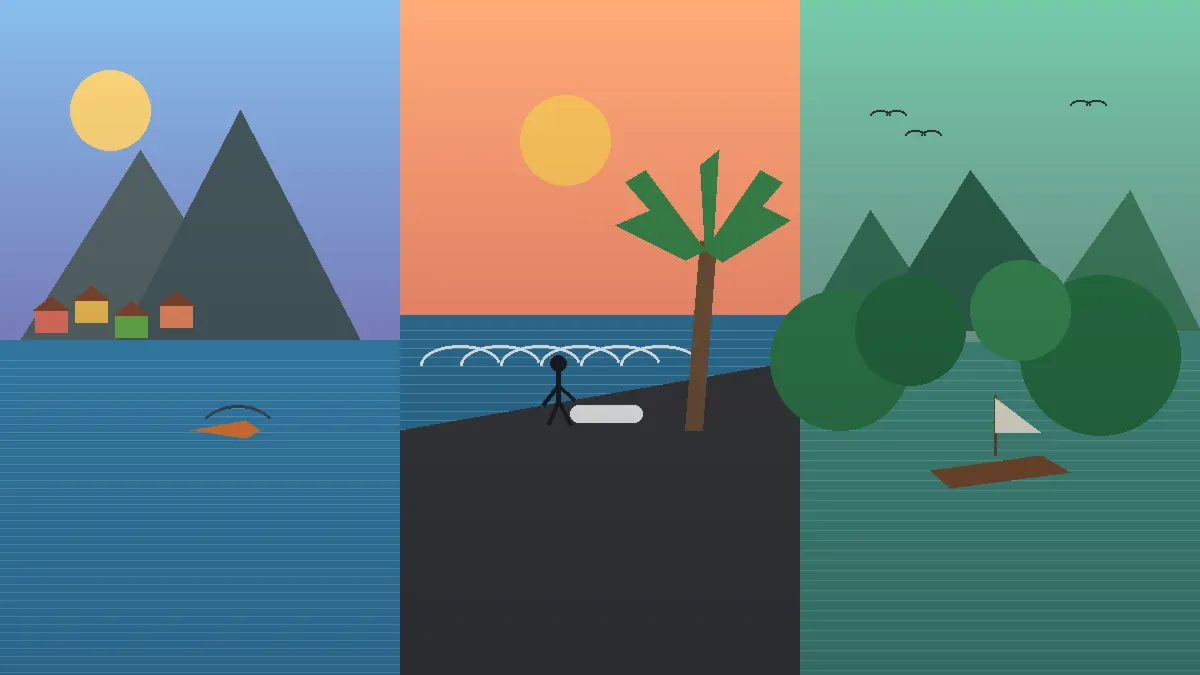
Lake Atitlán vs El Paredón vs Río Dulce: Which to Pick
Guatemala rewards travelers who like variety. In a single country, you can wake up beside a volcanic lake, spend the next day learning to surf on a black-sand beach, and finish the week gliding through a tropical river canyon lined with jungle. That is exactly why so many travelers end up stuck on the same question: should you go to Lake Atitlán, El Paredón, or Río Dulce?
If you are searching for the best Guatemala eco-tourism destinations, this is one of the smartest comparisons you can make. All three places offer nature, adventure, and memorable local character, but they deliver very different trip styles. Lake Atitlán is the classic highland favorite for culture, volcano views, wellness, and village-hopping. El Paredón is Guatemala’s Pacific surf escape, known for beach energy, turtle conservation, and laid-back coastal life. Río Dulce is the country’s humid Caribbean gateway, where river lodges, birdlife, jungle scenery, and Garifuna influence create a slower, greener atmosphere.
This guide compares the three through an eco-conscious travel lens: what you can do, what kind of traveler each suits best, what the food and local culture feel like, how easy each place is to reach, and how to choose the destination that actually matches your pace. If you want a trip that feels meaningful instead of generic, this is where to start.
The Short Answer: Which Destination Should You Choose?
- Choose Lake Atitlán if you want the best mix of scenery, local culture, soft adventure, café life, and flexible day trips.
- Choose El Paredón if you want surf, beach sunsets, sea turtle experiences, and a simple barefoot rhythm.
- Choose Río Dulce if you want jungle-water landscapes, boating, birdwatching, quieter eco-lodges, and access to the Caribbean side of Guatemala.
For many travelers, the real answer is not which one is “best” in the abstract. It is which one fits your energy. Some trips need movement and social life. Others need rest, birdsong, and long boat rides. Guatemala gives you both.
Why These Three Destinations Stand Out for Eco-Tourism in Guatemala
Eco-tourism is often reduced to a marketing word, but in Guatemala it can still mean something real when you travel intentionally. These three destinations stand out because nature is not just a backdrop. It shapes the daily experience.
At Lake Atitlán, volcanic geography and Maya communities define everything from transport to handicrafts to food traditions. In El Paredón, the ocean, mangroves, and turtle conservation projects shape what visitors do and how they experience the coast. In Río Dulce, the river system and Caribbean ecology create a more water-based kind of adventure centered on boats, wildlife, and rainforest.
That makes them ideal for travelers who want more than a hotel room and a checklist. They are places where staying longer usually pays off, local guides matter, and the experience improves when you slow down.
Lake Atitlán: Best for Culture, Scenic Variety, and Flexible Adventure
Lake Atitlán is usually the strongest all-around choice for travelers visiting Guatemala for the first time. The setting is dramatic even by Central American standards: a deep crater lake ringed by volcanoes, with villages scattered around the shoreline, each with its own personality. It is beautiful at sunrise, photogenic in the afternoon light, and atmospheric even when clouds roll in.
What makes Atitlán special is its range. You can spend one morning kayaking, one afternoon shopping for textiles in a local market, another day hiking a volcano, and the next doing absolutely nothing except reading by the water. It works for travelers who like to blend nature, local culture, food, and comfort in one base.
What can you do at Lake Atitlán?
- Kayak or paddleboard on the lake
- Take public boats between villages
- Visit markets and weaving cooperatives
- Hike trails or volcanoes such as Volcán San Pedro
- Join coffee, cooking, yoga, or cultural experiences
- Relax in lakeside cafés, spas, and boutique hotels
For eco-conscious travelers, Atitlán also offers the most diverse combination of low-impact activities. You do not need to burn through your trip in a series of long transfers. Once you arrive, many of the best experiences are close together and naturally support small businesses, boat operators, guides, artisans, and family-run restaurants.
What is the vibe?
The vibe depends on the town. Panajachel is practical and transit-friendly. San Marcos leans wellness-heavy. Santiago Atitlán carries strong traditional identity. San Pedro La Laguna is one of the easiest bases for travelers who want a balance of local life, affordability, lake access, and activity options. That flexibility is why Atitlán appeals to such a wide range of people, from couples and solo travelers to digital nomads and families.
What about food and culture?
This is where Lake Atitlán has a serious edge. The region offers some of the richest opportunities in Guatemala to connect with Maya Tz’utujil and Kaqchikel culture, whether through weaving traditions, market visits, ceremonies, home-style kitchens, or simply spending time in villages where local identity still feels visible rather than staged.
Food is equally rewarding. Travelers can find grilled lake fish, pepián, tamales, atol, fresh fruit, coffee from nearby farms, and an increasing number of strong international cafés and restaurants. If your ideal trip includes eating well without losing cultural depth, Atitlán delivers.
Choose Lake Atitlán if you want the most complete Guatemala experience in one destination: scenery, culture, food, wellness, and adventure all layered together.
El Paredón: Best for Surf, Simple Beach Life, and Coastal Conservation
El Paredón feels completely different from the Guatemalan highlands. Instead of cool volcanic mornings and village boats, you get black sand, Pacific heat, long beach walks, surfboards, and dramatic sunsets. It is one of the country’s fastest-growing beach destinations, but it still feels small compared with established surf towns elsewhere in Latin America.
The main reason people come is obvious: surf. Whether you are taking your first lesson or already chasing heavier waves, El Paredón is one of the best-known surf spots in Guatemala. But the destination has expanded beyond that. It now attracts travelers who simply want a few days of barefoot decompression with ocean air and very little pressure to do much.
What can you do in El Paredón?
- Take surf lessons or rent boards
- Watch sunsets on the beach
- Join mangrove boat tours
- Visit turtle hatcheries during the season
- Do yoga or beach workouts
- Eat seafood and spend slow afternoons by the pool
From an eco-tourism standpoint, El Paredón stands out because the most memorable activities are linked to the coastline itself. Sea turtle conservation, estuary tours, and low-key nature experiences all fit naturally into a beach trip. It is less culturally layered than Atitlán, but stronger if your idea of a reset includes salt air, sun, and a board under your arm.
What is the vibe?
Relaxed, social, and minimal. El Paredón is the kind of place where days are structured around tides, surf conditions, and golden hour. It can feel backpacker-friendly without being backpacker-only. Couples, groups of friends, and remote workers also like it, especially for short stays.
If you want a destination with dense sightseeing options, El Paredón may feel too limited after a few days. But if you want one or two activities per day and a lot of room to breathe, that simplicity becomes the point.
What about food and local culture?
The food scene is improving, especially around seafood, smoothie bowls, grilled fish, and casual international beach menus. You are not coming here for the deepest culinary exploration in Guatemala. You are coming for fresh, coastal eating and easygoing beach-town energy.
Culturally, El Paredón is more about atmosphere than deep immersion. There is local life here, of course, but the traveler experience tends to revolve around surf hostels, boutique stays, hammocks, and beach clubs rather than village-to-village cultural discovery. That does not make it worse. It just makes it different.
Río Dulce: Best for Jungle Waterways, Wildlife, and Caribbean Gateway Energy
Río Dulce is often overlooked by first-time Guatemala travelers, which is part of its appeal. The region connects river, jungle, canyon scenery, lakeside waterways, and Caribbean access in a way that feels distinct from both Atitlán and El Paredón. Instead of surf or volcanoes, the experience is more fluid and immersive: boats replacing shuttles, bird calls replacing traffic, and lodges tucked into green riverbanks.
This is one of the most interesting choices for travelers who associate eco-tourism with wildlife, wetlands, forest landscapes, and slower travel. It is also a smart fit if you want to continue toward Livingston or explore eastern Guatemala without making the Caribbean coast the only focus of your trip.
What can you do in Río Dulce?
- Take boat trips through the Río Dulce canyon
- Stay at a jungle lodge on the river
- Visit hot springs and river viewpoints
- Go birdwatching or wildlife spotting
- Continue by boat toward Livingston and Caribbean communities
- Enjoy kayaking or slow waterfront days
For travelers who care about biodiversity, Río Dulce has a natural advantage. The experience is less about one headline activity and more about inhabiting an ecosystem for a few days. You notice the humidity, the soundscape, the boat traffic, the thick vegetation, and the fact that the landscape itself feels alive in a different way from the highlands.
What is the vibe?
Quieter, greener, and more spread out. Río Dulce is not as immediately photogenic in the “famous postcard” sense as Atitlán, but it grows on people. It feels exploratory. If Atitlán is the polished highlight reel and El Paredón is the easy beach reset, Río Dulce is the underrated detour that makes a trip feel broader and less predictable.
What about food and local culture?
Food around Río Dulce and nearby Livingston opens the door to stronger Caribbean and Garifuna influences, along with seafood, coconut-based dishes, and a more tropical flavor profile than what many travelers experience in the Guatemalan highlands. That alone makes the region worth considering if you want your trip to show you more than one side of the country.
The cultural rhythm is also different. You are no longer in the lake-and-volcano world. The architecture, weather, language mix, transport style, and even the feel of a sunset all shift. For travelers who like contrast, Río Dulce is excellent value.
Lake Atitlán vs El Paredón vs Río Dulce: Which Has the Best Activities?
If your trip is activity-driven, the right choice depends on what kind of movement you want.
- Lake Atitlán wins for variety. It offers water activities, hiking, markets, village exploration, cultural tours, coffee experiences, and wellness.
- El Paredón wins for surf and beach rhythm. If surfing is the centerpiece of your trip, this is the obvious choice.
- Río Dulce wins for wildlife and water-based eco-exploration. It is best for boat trips, river scenery, jungle lodges, and tropical atmosphere.
For most travelers with four or five days and broad interests, Atitlán gives the highest ceiling. For travelers who already know they want surf, El Paredón is more focused and satisfying. For travelers who want a quieter nature-first experience, Río Dulce is stronger than many people expect.
Which Destination Is Best for Sustainable and Responsible Travel?
No destination stays “eco” automatically just because it has nature nearby. Responsible travel depends on behavior: choosing locally owned stays, respecting community norms, reducing waste, using certified guides where relevant, and spending money with businesses that actually live in the region.
That said, each destination offers different strengths for responsible travelers.
- Lake Atitlán is excellent for supporting artisans, guides, boat operators, cafés, and family-run hospitality businesses across multiple towns.
- El Paredón is strongest when you align your trip with conservation-oriented turtle projects, mangrove tours, and businesses that respect the fragility of the coast.
- Río Dulce rewards travelers who value low-impact nature experiences, birding, slower transport, and lodge-based stays integrated into the landscape.
If sustainability is central to how you travel, ask a simple question before booking: Does this experience keep more value in the local community, or does it just use local scenery as decoration? That one filter improves most travel decisions.
Which Destination Has the Best Food?
Lake Atitlán is the most well-rounded food destination of the three. The region combines traditional Guatemalan dishes, local markets, coffee culture, and enough restaurant diversity to keep longer stays interesting.
El Paredón is best for casual seafood and beach-town comfort food. It can be very enjoyable, but the scene is narrower.
Río Dulce is the most distinctive if you continue toward the Caribbean side and want seafood, coconut flavors, and a different cultural food profile from the western highlands.
If food matters a lot, Atitlán is the safest recommendation. If you specifically want tropical and Caribbean flavor, Río Dulce has more personality than people assume.
Which Destination Is Best for Couples, Solo Travelers, and Families?
Best for couples
Lake Atitlán is the strongest overall because it combines scenic rooms, sunset views, spa and wellness options, good dining, and easy day planning. Río Dulce is also excellent for couples who prefer quiet, lush, off-the-radar stays.
Best for solo travelers
Lake Atitlán and El Paredón are the easiest. Atitlán offers more variety and social flexibility, while El Paredón makes it easy to meet people quickly through surf and shared beach spaces.
Best for families
Lake Atitlán usually works best because the activity mix is broader and can be adjusted for energy levels. Families who love calm nature and boat rides may also enjoy Río Dulce. El Paredón can work, but ocean conditions are not always ideal for every age or comfort level.
Which One Is Easier to Reach?
Lake Atitlán is the easiest for many international travelers after Antigua or Guatemala City because it is already integrated into the standard tourist circuit. Transport options are well established.
El Paredón is also straightforward, especially from Antigua, which is one reason it fits well into short itineraries.
Río Dulce tends to require more commitment. That extra effort keeps it quieter and less saturated, but it also means it is best for travelers who do not mind slower logistics.
If you have limited time, Atitlán or El Paredón is usually the more efficient choice. If you have a longer itinerary and want something less predictable, Río Dulce becomes far more attractive.
Sample Trip Styles: Who Should Go Where?
The first-time Guatemala traveler
Go to Lake Atitlán. It gives you the broadest and most memorable introduction to the country in one region.
The surfer or beach-first traveler
Go to El Paredón. Do not overthink it. That is the trip you actually want.
The birder, wildlife lover, or slow traveler
Go to Río Dulce. You will likely enjoy its pace more than the better-known destinations.
The traveler choosing one place for both activity and comfort
Lake Atitlán wins again because it has the widest range of accommodation, food, and day-trip options. For travelers looking for a scenic base in the highlands, Sababa Resort and the surrounding San Pedro area are especially well positioned for combining relaxation with lake adventures.
Can You Combine Two of These Destinations in One Trip?
Yes, and many travelers should. The strongest pairings are usually:
- Lake Atitlán + El Paredón for a classic lake-and-surf Guatemala contrast
- Lake Atitlán + Río Dulce for culture plus tropical river nature
- All three if you have enough time and want a fuller picture of Guatemala’s landscapes
If you only have a week, pairing Atitlán with El Paredón is often the simplest and most popular combination. If you have ten days or more and enjoy slower travel, adding Río Dulce makes the trip feel richer and less formulaic.
Final Verdict: Which Guatemala Eco-Adventure Is Right for You?
If you want the most complete answer for most travelers, Lake Atitlán is the winner. It offers the deepest mix of activities, scenery, food, culture, and accommodation styles, all within one visually spectacular region.
If your priority is surf, beach atmosphere, and simple coastal living, El Paredón is the right choice. It is lighter, warmer, and more focused.
If your priority is jungle water, wildlife, quiet eco-lodges, and a more underrated side of Guatemala, Río Dulce is the smartest pick.
The good news is that there is no bad option here. These are not three versions of the same trip. They are three different moods. Pick the one that matches the kind of traveler you are right now, not the version of yourself you think you are supposed to be.
FAQ: Lake Atitlán vs El Paredón vs Río Dulce
Which is better, Lake Atitlán or El Paredón?
Lake Atitlán is better for travelers who want scenery, culture, food, and a wider range of activities. El Paredón is better for travelers focused on surfing, beach sunsets, and a simpler coastal experience.
Is Río Dulce worth visiting in Guatemala?
Yes. Río Dulce is one of Guatemala’s most underrated eco-tourism destinations, especially for wildlife, boat trips, jungle lodges, and travelers interested in the Caribbean side of the country.
What is the best eco-tourism destination in Guatemala?
For overall variety and accessibility, Lake Atitlán is often the best eco-tourism destination in Guatemala. For surf-based coastal nature, choose El Paredón. For jungle waterways and tropical biodiversity, choose Río Dulce.
Which destination is best for surfing in Guatemala?
El Paredón is the best-known surf destination in Guatemala and the top choice for travelers who want lessons, beach stays, and Pacific waves.
Which destination is best for culture in Guatemala?
Lake Atitlán is the strongest choice for cultural depth thanks to its Maya communities, markets, weaving traditions, ceremonies, and village diversity.
Which destination is best for wildlife and birdwatching?
Río Dulce is usually the best option for birdwatching, river ecology, and tropical wildlife experiences, especially if you stay in a lodge close to the water and forest.
Can I visit Lake Atitlán and El Paredón in the same trip?
Yes. This is one of the most popular Guatemala combinations because it pairs cool volcanic lake scenery with warm Pacific beach time.
How many days do you need for Lake Atitlán, El Paredón, or Río Dulce?
Lake Atitlán deserves at least three to four days, El Paredón works well with two to three days, and Río Dulce is best with two to four days depending on whether you continue toward Livingston.
If you are building a Guatemala itinerary around nature, local character, and meaningful downtime, starting with Lake Atitlán remains one of the smartest decisions you can make.
Planifica con guías útiles
Ver resortSababa Resort San Pedro
El resort frente al Lago de Atitlán: ubicación, habitaciones, restaurante y actividades.
Sababa Resort El Paredón
La sede en la costa del Pacífico: surf, playa de arena negra, tortugas, manglares y reservas.
Menú
Platos, pastas, postres, cocteles, smoothies y bebidas publicados por Sababa Resort.
Actividades
ATV, deportes acuáticos, Indian Nose, yoga, masaje, volcán San Pedro y kayak.